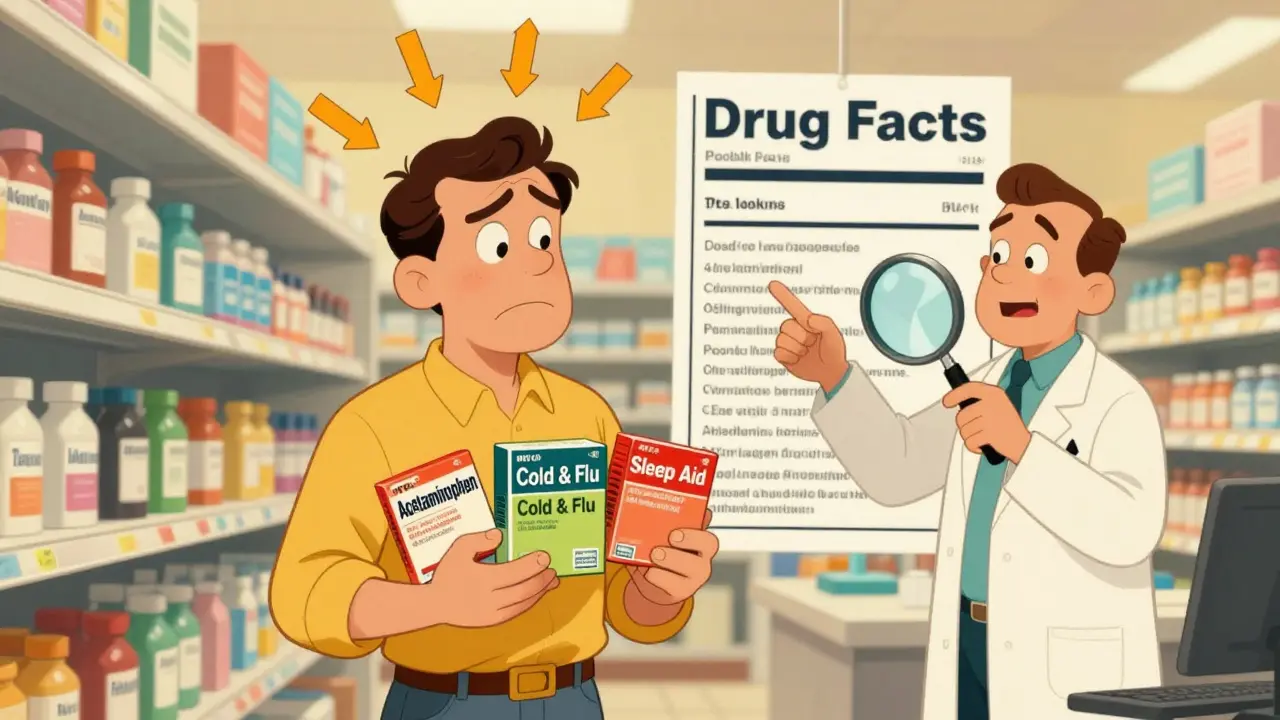
Every year, millions of Americans reach for over-the-counter (OTC) medications without thinking twice. A headache? Grab some Tylenol. A stuffy nose? Pick up a cold tablet. But here’s the problem: OTC medications aren’t harmless. They’re powerful chemicals that can cause serious harm if used incorrectly - even when bought off the shelf.
You might assume that because these drugs don’t need a prescription, they’re safe to use however you want. That’s a dangerous myth. In 2022, over 198,000 single-substance OTC medication exposures were reported to U.S. poison control centers. Many of those cases involved people taking too much acetaminophen, mixing medications, or ignoring warnings on the label. The good news? You can avoid these mistakes with just a few simple habits.
Read the Drug Facts Label - Every Time
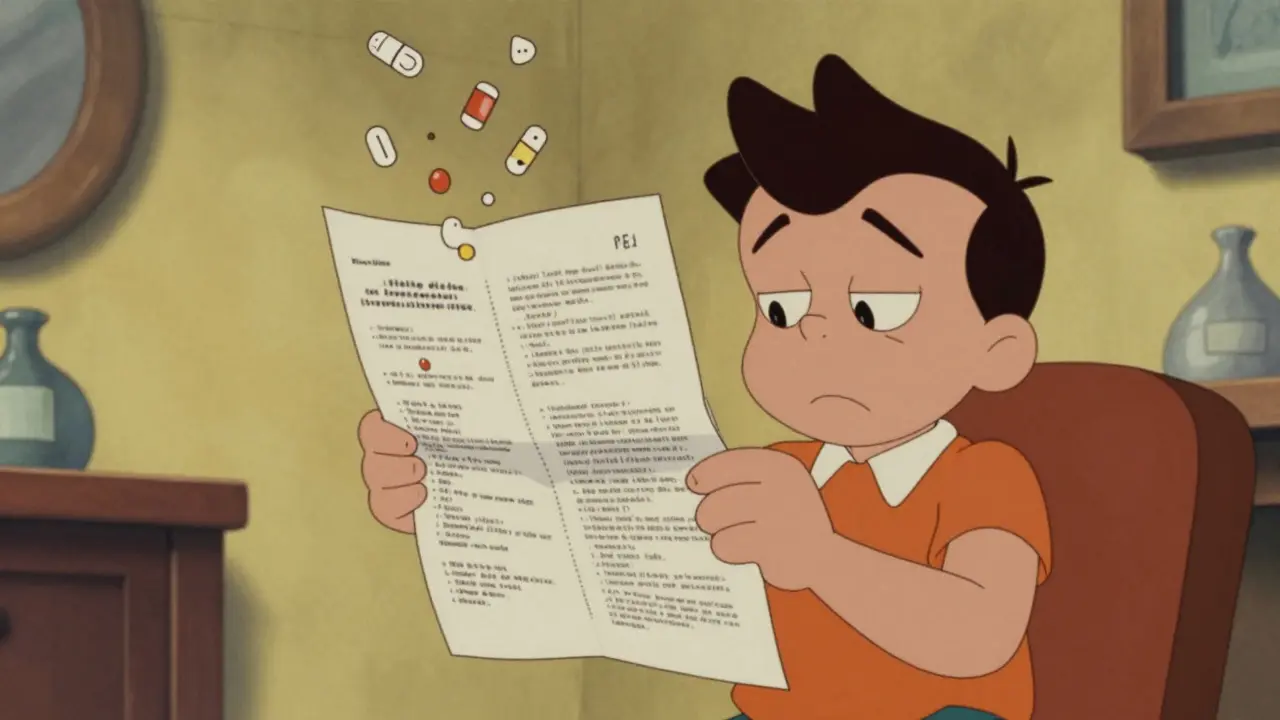
The FDA required all OTC medications to use the same standardized label format in 1999. It’s called the Drug Facts label. And it’s your best tool for safety. This label isn’t just there for show - it’s designed to tell you exactly what you’re taking, how to use it, and what could go wrong.
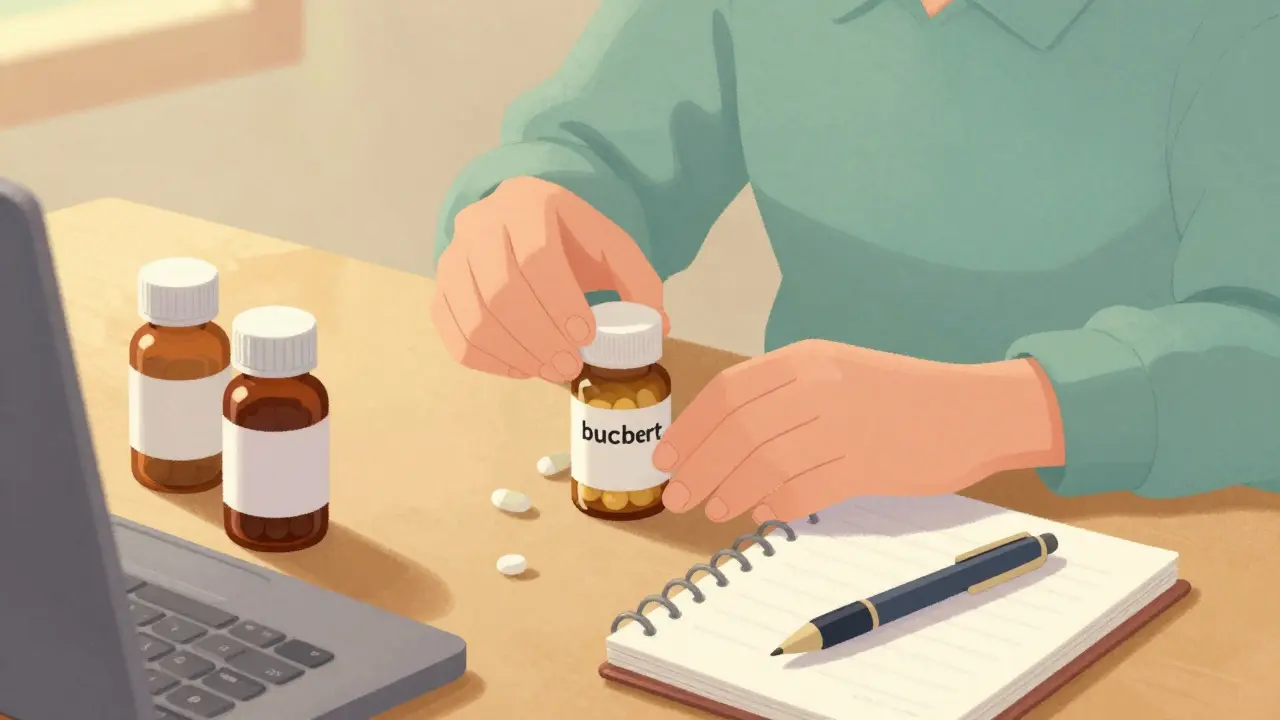
Start with the active ingredients. That’s the part that actually does the work. If you see acetaminophen in one product and again in another, you’re doubling your dose. That’s how liver damage happens. One study found that nearly 40% of people who overdosed on acetaminophen didn’t realize they were taking it in more than one medicine. It’s in pain relievers, cold remedies, sleep aids, and even some allergy pills.
Next, check the purpose and uses. Are you taking this for a sore throat, or for a fever? Make sure the medicine matches your symptoms. Multi-symptom cold formulas might seem convenient, but they often contain ingredients you don’t need. That’s like using a sledgehammer to crack a nut - you’re exposing yourself to extra risks without extra benefit.
Then read the warnings. These aren’t legal fine print. They’re red flags. If the label says “do not use if you have high blood pressure,” and you do, then skip it. Same goes for “consult your doctor before use” if you’re pregnant, over 65, or have diabetes, heart disease, or kidney problems.
Know What’s in Your Medicine
Not all pain relievers are the same. Ibuprofen (Advil, Motrin) reduces swelling and inflammation. That makes it better for sprains, arthritis, or menstrual cramps. Acetaminophen (Tylenol) doesn’t reduce inflammation, but it’s gentler on the stomach and safer for people with ulcers or bleeding disorders. It’s the go-to for headaches or fever.
But here’s the catch: acetaminophen has a very narrow safety margin. The maximum daily dose for adults is 3,000 to 4,000 milligrams - depending on your health. That’s only 8 extra-strength tablets. Many people don’t realize that some cold medicines contain acetaminophen too. Take two cold pills and two Tylenol, and you’ve already hit the limit. One more and you’re in danger.
Decongestants like pseudoephedrine and phenylephrine can raise blood pressure. If you have hypertension, heart disease, or an enlarged prostate, skip them. Antihistamines like diphenhydramine (Benadryl) can cause drowsiness and confusion in older adults. They’re not harmless sleep aids - they’re brain-altering drugs.
And don’t forget about alcohol. Mixing alcohol with antihistamines, dextromethorphan (a cough suppressant), or even acetaminophen can be deadly. Even one drink can turn a safe dose into a toxic one.
Don’t Guess the Dose - Measure It
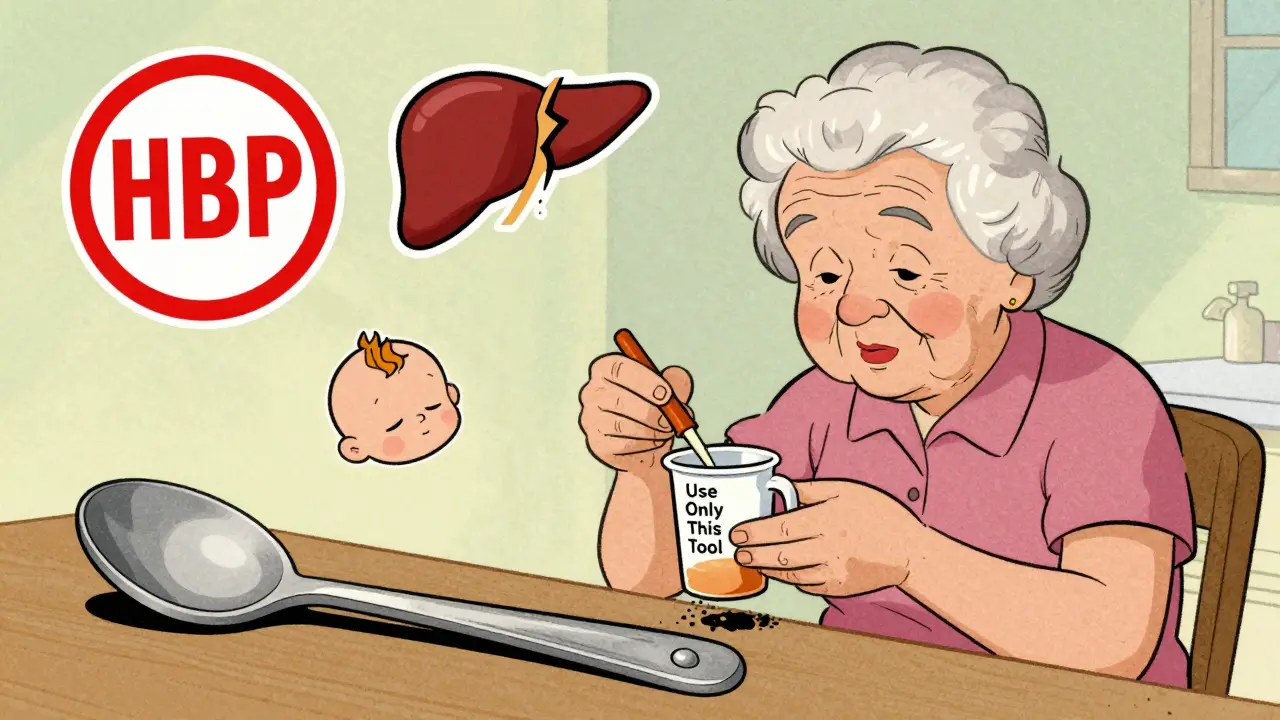
“I just used a spoon,” is one of the most common reasons kids get overdosed. The FDA says kitchen spoons vary by up to 200%. A tablespoon might be 10 milliliters in your house, but 15 in someone else’s. That’s a 50% overdose right there.
Always use the measuring tool that comes with the medicine. If it’s missing, get a proper oral syringe or dosing cup from the pharmacy. Never use a regular spoon, shot glass, or coffee mug. For children, never estimate based on weight or age. Use the chart on the label - and if it’s unclear, ask the pharmacist.
And don’t assume “child’s dose” means half of an adult dose. Many pediatric formulations are concentrated differently. Giving a child an adult tablet, even crushed, can be fatal.
Talk to the Pharmacist - It’s Free
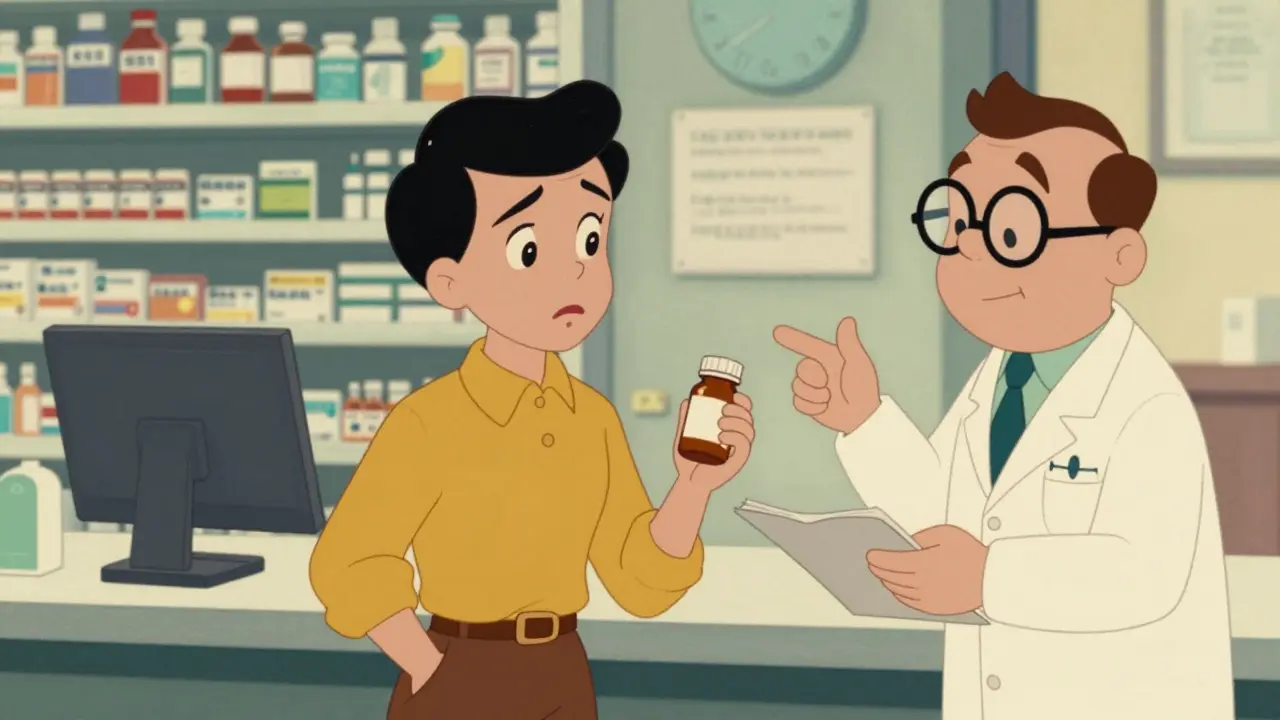
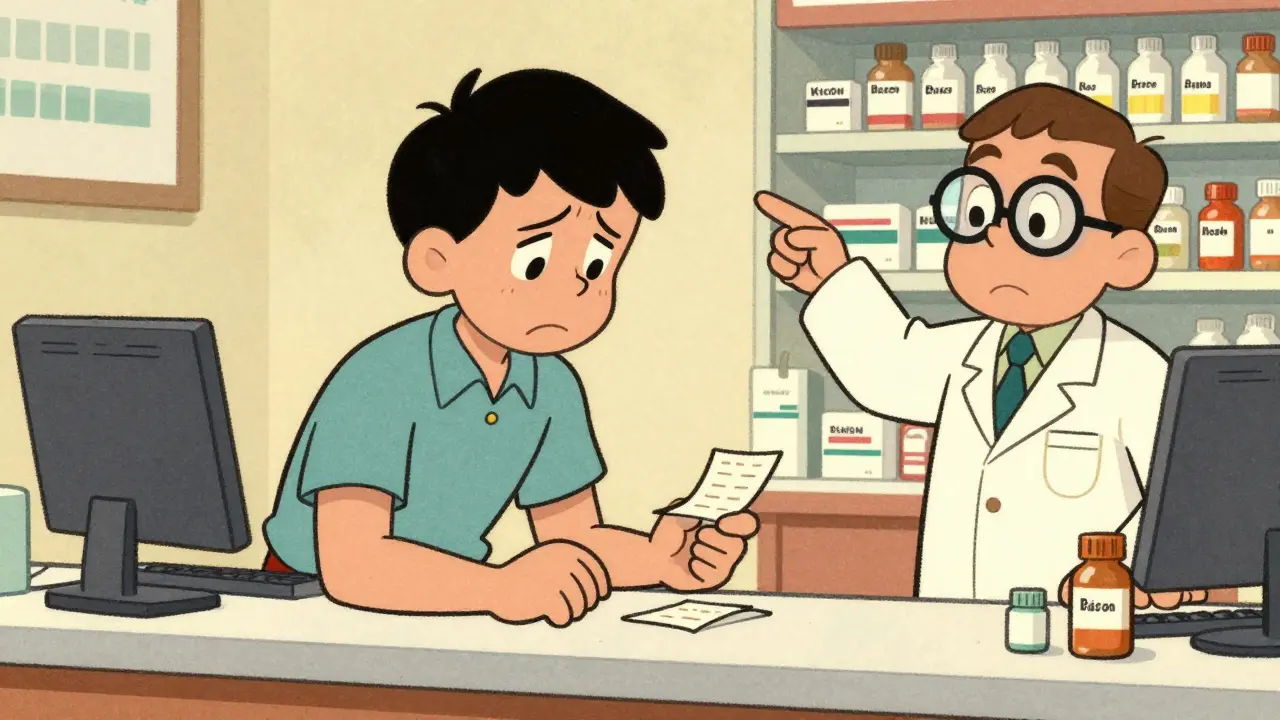
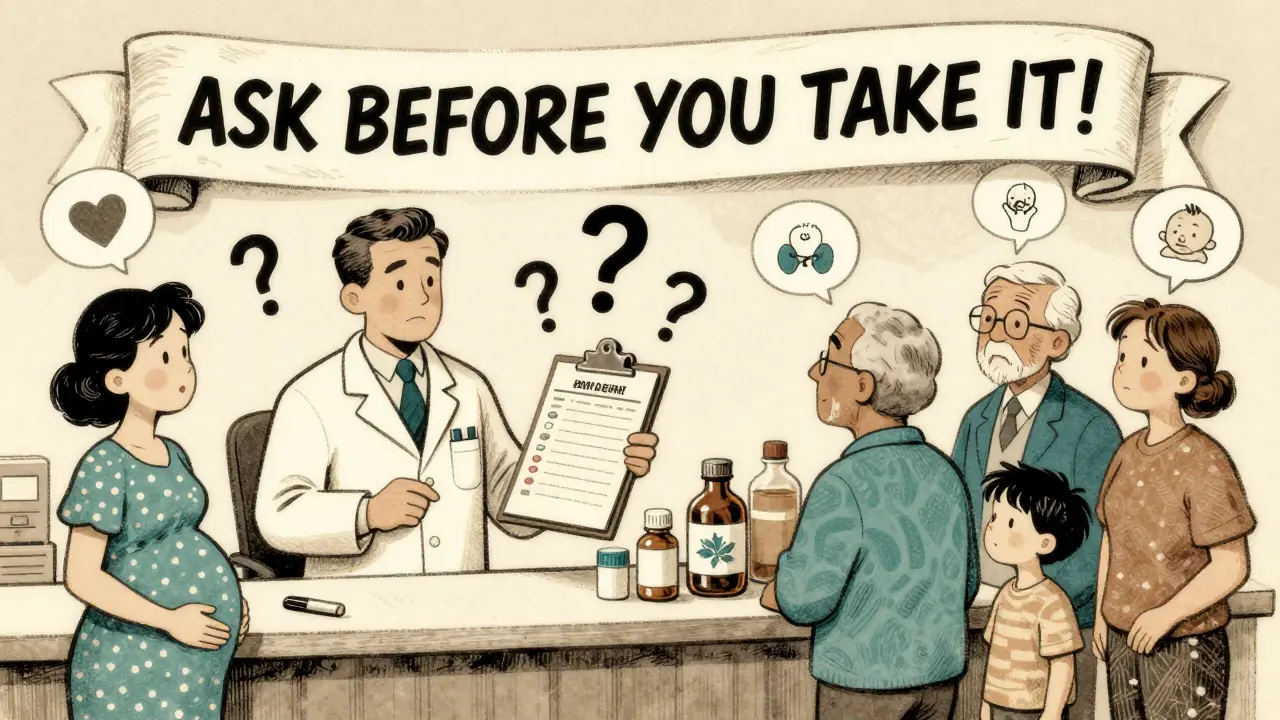
Pharmacists are trained medication experts. They see hundreds of OTC choices every day. They know which ones are safe for people with diabetes, kidney disease, or those on blood thinners. They also know which products are overpriced, underdosed, or contain unnecessary ingredients.
Don’t feel awkward asking. You’re not bothering them - you’re doing exactly what they’re there for. In fact, a 2022 study showed pharmacist consultations reduced OTC medication errors by 67%. That’s huge.
Bring your list. Not just the OTC meds you’re thinking about buying - bring everything you take. Prescription drugs, supplements, vitamins, even herbal teas. Some people don’t think ginkgo biloba or St. John’s wort counts, but they can interfere with blood thinners, antidepressants, and even birth control.
Ask: “Is this safe with my other meds?” “Is there a cheaper option that works just as well?” “What side effects should I watch for?”
Use the Same Pharmacy
If you use different pharmacies for your prescriptions and OTC buys, you’re making it harder to catch dangerous interactions. Your pharmacy’s computer system keeps a full record of everything you’ve picked up. That’s how they can warn you if you’re about to take two drugs that shouldn’t be mixed.
When you stick with one pharmacy, they build a profile of your health history. They’ll notice if you’re refilling a painkiller every week for months - and they might call to ask if you need help. That’s not overreach. That’s care.
Special Populations Need Extra Care
Older adults are at the highest risk. They make up only 13% of the U.S. population but account for half of all OTC-related hospitalizations. Why? Because they often take multiple medications. One pill for arthritis, another for sleep, a third for heartburn - and then they add a cold tablet. It’s a recipe for disaster.
Pregnant or breastfeeding women should never self-medicate without checking. Even common pain relievers like ibuprofen aren’t recommended in the third trimester. Antihistamines can pass into breast milk and make babies sleepy or fussy.
People with chronic conditions - diabetes, liver disease, kidney failure, asthma - need to be extra cautious. Some OTC meds can make their condition worse. For example, decongestants can spike blood sugar. Antacids with aluminum or magnesium can build up in people with kidney problems.
When to Skip the OTC and See a Doctor
OTC meds are for short-term, mild symptoms. If something doesn’t improve in 3 to 7 days, it’s time to see a doctor. Same if symptoms get worse. A fever that lasts more than 3 days. A cough that turns into wheezing. Headaches that are new, severe, or accompanied by vision changes.
Also, don’t use OTC meds for chronic pain. If you’re taking pain relievers every day for weeks or months, you’re masking a problem - not fixing it. That could delay diagnosis of something serious like arthritis, nerve damage, or even cancer.
And if you’re ever unsure - even a little - don’t guess. Call your doctor or walk into the pharmacy. A two-minute conversation could prevent a hospital visit.
Stay Updated
OTC products change. New ingredients get added. Warnings get updated. A product you’ve used safely for years might have a new label this month. That’s why you need to read the Drug Facts label every time - even if you’ve bought the same box before.
The FDA is currently updating its OTC drug review process under the CARES Act of 2020. By 2025, we’ll see faster updates to safety info, clearer warnings, and more accurate labeling. But until then, the responsibility is yours. Don’t rely on memory. Don’t trust the brand. Trust the label.
OTC medications are powerful tools. Used right, they help you feel better fast. Used wrong, they can hurt you - sometimes permanently. The difference isn’t luck. It’s knowing what to look for, who to ask, and when to stop.
Can I take two different OTC pain relievers at the same time?
Only if they contain completely different active ingredients. Never combine acetaminophen with another product that also has acetaminophen - even if it’s labeled as a cold or sleep aid. Mixing ibuprofen and aspirin is also risky, especially if you have stomach or kidney issues. Stick to one pain reliever at a time unless your doctor says otherwise.
Are natural or herbal OTC remedies safer than regular ones?
No. Just because something is labeled “natural” doesn’t mean it’s safe. St. John’s wort can interfere with antidepressants and birth control. Echinacea may trigger allergic reactions. Goldenseal can raise blood pressure. Herbal products aren’t regulated the same way as FDA-approved drugs, so their strength, purity, and interactions are often unknown. Always check with a pharmacist before using them.
How do I know if an OTC medicine is expired?
Look for the expiration date on the packaging - it’s usually printed on the side or bottom. Don’t rely on smell or color. Even if it looks fine, the active ingredient may have broken down. Expired pain relievers may not work. Expired antihistamines can lose effectiveness and cause unexpected side effects. Throw it out after the date. No exceptions.
Is it safe to give my child my leftover cold medicine?
Never. Children’s bodies process medicine differently. A dose that’s safe for you could be dangerous for them. Also, adult cold medicines often contain ingredients not approved for kids under 12. Even if your child has the same symptoms, use only products labeled specifically for children - and always follow the dosing chart by weight or age.
Why do some OTC medicines have two different doses listed - one for adults and one for seniors?
As we age, our liver and kidneys don’t process drugs as quickly. That means medicine stays in the body longer, increasing the risk of side effects. For example, diphenhydramine (Benadryl) can cause confusion, dizziness, or falls in older adults. Some labels now list a lower maximum dose for people over 65 - always follow that one. If you’re unsure, ask your pharmacist.
Can I take OTC meds if I’m on blood pressure medication?
Some can, some can’t. Decongestants like pseudoephedrine can raise blood pressure and make your medication less effective. NSAIDs like ibuprofen can interfere with blood pressure drugs and harm your kidneys. Antacids with sodium can cause fluid retention. Always check with your pharmacist before taking any cold, flu, or pain medicine if you’re on blood pressure meds.
If you’re unsure about any OTC medicine, walk into your pharmacy and ask. No appointment needed. No charge. Just a few minutes of your time - and possibly a life saved.