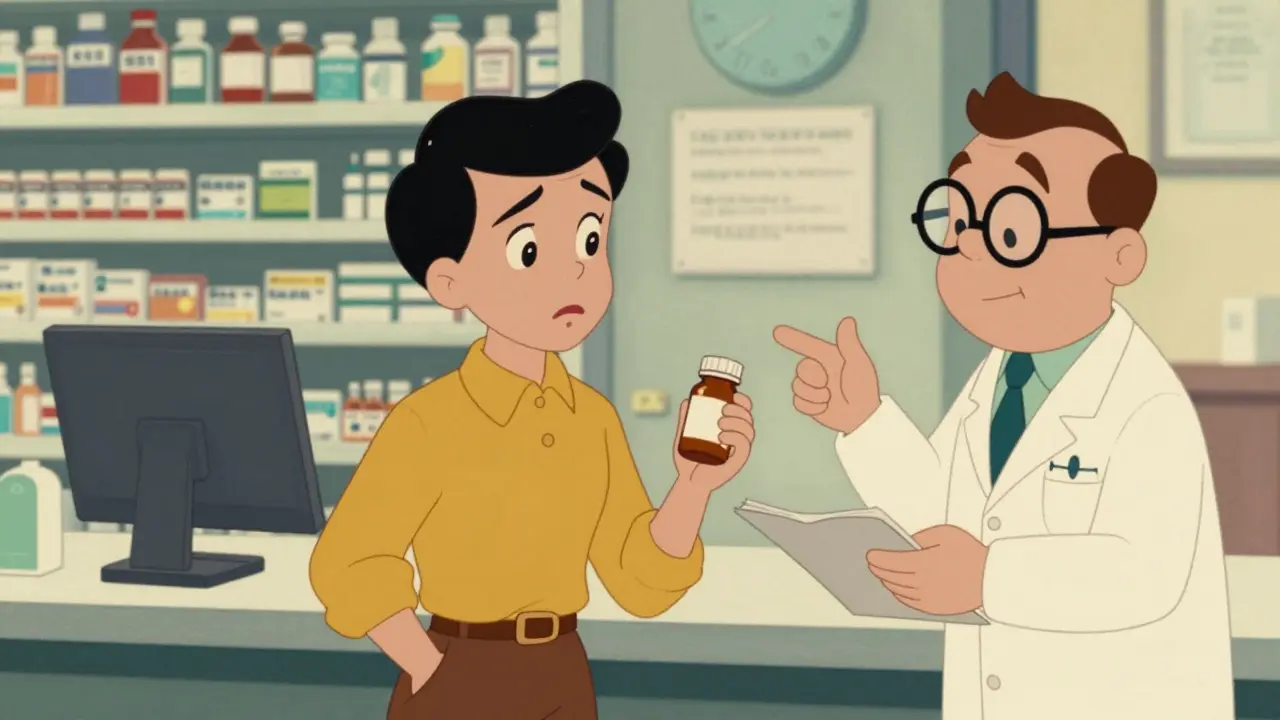
Acne Medication Safety Checker
Select the medications you are currently taking or planning to take to check for safety.
Calculate the safe date to start Isotretinoin after stopping a Tetracycline antibiotic.
Imagine taking a medication to clear your skin, only to end up with vision loss or a permanent neurological condition. While it sounds like a medical horror story, the concurrent use of Isotretinoin is a potent 13-cis retinoic acid derivative used to treat severe, recalcitrant nodular acne and tetracycline-class antibiotics can lead to a rare but devastating condition called Pseudotumor Cerebri (PTC). This interaction isn't just a mild side effect; it is a clinical red flag that can lead to permanent blindness if ignored.
The Bottom Line on this Interaction
- What is it? An interaction where combining specific acne meds increases pressure inside the skull.
- The Risk: High risk of Pseudotumor Cerebri (IIH), causing severe headaches and vision loss.
- The Verdict: This combination is an absolute contraindication-do not take them together.
- Safe Alternative: Transition periods (washout) are required when switching between these drugs.
What Exactly is Pseudotumor Cerebri?
To understand the danger, we first need to look at the condition itself. Pseudotumor Cerebri, also known as idiopathic intracranial hypertension (IIH), is a condition where the pressure of the fluid surrounding your brain increases. The "pseudo" part of the name comes from the fact that the symptoms look like a brain tumor on an MRI-such as swelling of the optic nerve-but there is no actual tumor present.
When this pressure builds up, it pushes against the optic nerve. This leads to a terrifying sequence of events: severe, pounding headaches, a "whooshing" sound in the ears (pulsatile tinnitus), and eventually, permanent blind spots. If you are taking acne medication and start seeing flashes of light or experience a sudden change in your vision, it is a medical emergency.
The Dangerous Duo: How the Interaction Happens
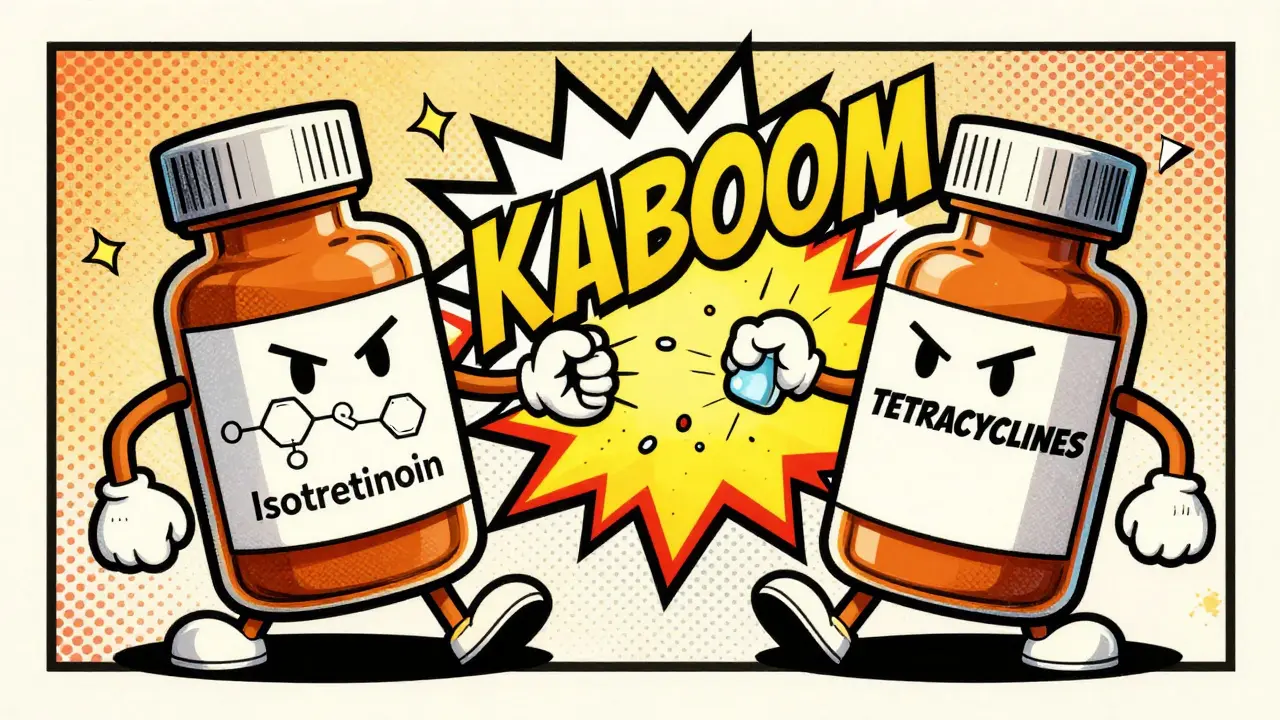
Both Isotretinoin (found in brands like Claravis and Amnesteem) and Tetracyclines (like Doxycycline and Minocycline) are used to treat acne. However, they work very differently. Isotretinoin is a powerful retinoid that shrinks oil glands, while tetracyclines are antibiotics that kill bacteria and reduce inflammation.
The problem arises when they are used at the same time. Individually, both drugs have a very small risk of causing increased intracranial pressure. For example, tetracycline monotherapy might cause a case of PTC in about 1 per 1,000 patient-years. But when you combine them, the risk isn't just doubled-it's multiplicative. Some estimates suggest the risk becomes at least 10 times higher.
Why does this happen? While science is still digging into the exact cause, a 2023 study in the Journal of Investigative Dermatology suggests these drugs together upregulate aquaporin-4 in astrocytes. In plain English: they mess with how water and fluid move in the brain, leading to a dangerous buildup of cerebrospinal fluid (CSF) that the body can't drain fast enough.
Comparing the Risks of Common Acne Meds
Not all acne medication combinations are dangerous. For instance, using isotretinoin with a topical cream might make your skin peel more, but it won't affect your brain. The tetracycline interaction is uniquely systemic and severe.
| Combination | Primary Risk | Severity | Clinical Status |
|---|---|---|---|
| Isotretinoin + Tetracyclines | Pseudotumor Cerebri (PTC) | Extreme (Vision Loss) | Absolute Contraindication |
| Isotretinoin + Topical Retinoids | Severe Skin Irritation | Low/Moderate | Avoid (for comfort) |
| Isotretinoin + Vitamin A | Hypervitaminosis A / Teratogenicity | High | Contraindicated |
| Isotretinoin + Dapsone | Mild Systemic Effects | Low | Generally Safe |
Real-World Consequences: Case Studies
This isn't just theoretical. The medical literature is full of warnings. One heartbreaking case involved a 16-year-old girl who took 100mg of Doxycycline and 40mg of isotretinoin. After just 18 days, she developed permanent visual field defects. The window of danger is incredibly short; some patients have reported vision changes after only 10 days of combined therapy.
Even with the FDA issuing warnings as far back as 1998, mistakes still happen. Data from Loyola University Medical Center showed that nearly 5% of pediatric patients were accidentally co-prescribed these medications. This highlights why you must be your own advocate and double-check your prescriptions, especially if you see different doctors for your skin and other health issues.
How to Safely Transition Between Medications
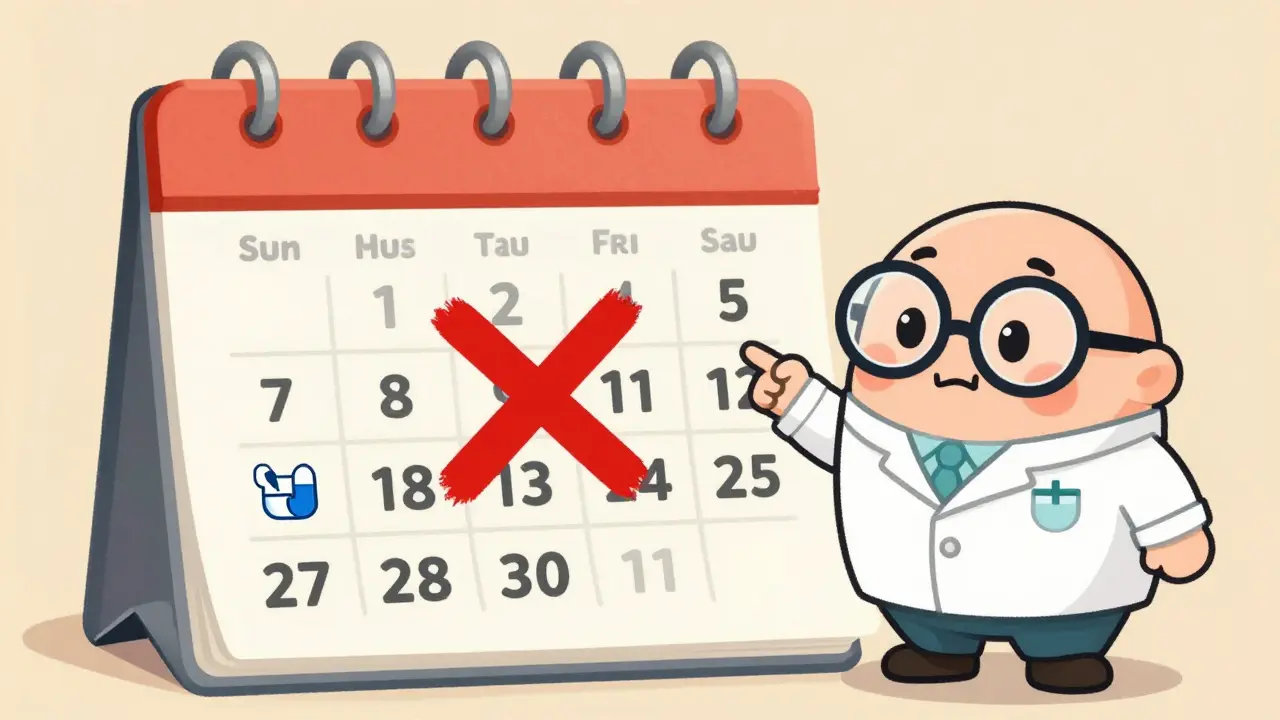
If you are switching from a tetracycline antibiotic to a course of isotretinoin, you cannot simply stop one on Monday and start the other on Tuesday. Your body needs time to clear the first drug to avoid any overlap in the bloodstream.
Most experts, including guidelines from the American Academy of Dermatology, insist on a "washout period." While some doctors suggest a one-week gap, more conservative institutions like the Mayo Clinic recommend a full two-week interval. This ensures the tetracycline is completely out of your system before the isotretinoin begins affecting your brain's fluid dynamics.
If you are managing your own medications, keep this checklist in mind:
- Verify that no antibiotic you are taking belongs to the tetracycline class (includes Doxycycline, Minocycline, and Sarecycline).
- Ensure a minimum 7-14 day gap when switching from these antibiotics to isotretinoin.
- Report any sudden, severe headaches or "whooshing" sounds in your ears to your doctor immediately.
- Confirm with your pharmacist that your current meds don't overlap.
The Future of Acne Treatment
Because of this risk and the growing problem of antibiotic resistance, the way we treat acne is shifting. Prescriptions for tetracyclines have dropped significantly over the last decade. Dermatologists are moving toward isotretinoin as a primary monotherapy or using non-antibiotic anti-inflammatories like dapsone gel, which doesn't carry the risk of increasing brain pressure.
We are also seeing better technology in clinics. Electronic health records (EHR) now often have "hard stops"-meaning the computer literally prevents a doctor from prescribing both drugs at once. In systems where these alerts are active, the rate of dangerous co-prescribing has plummeted from 3.7% to just 0.4%.
Can I take Doxycycline and Accutane at the same time?
No. You should never take Doxycycline (a tetracycline) and Isotretinoin (Accutane, Claravis, etc.) simultaneously. Doing so significantly increases the risk of developing Pseudotumor Cerebri, which can cause permanent vision loss and severe intracranial pressure.
What are the warning signs of Pseudotumor Cerebri?
Watch for sudden, severe headaches that don't go away with over-the-counter meds, blurred vision, seeing "flashing lights" or blind spots, and a pulsing or whooshing sound in your ears (pulsatile tinnitus). These are signs of increased pressure in the brain and require immediate medical attention.
How long should I wait after stopping Minocycline before starting Isotretinoin?
While some guidelines suggest one week, many specialists recommend a 14-day washout period to ensure the antibiotic is fully cleared from your system and to minimize the risk of drug interaction.
Are all tetracyclines dangerous when combined with retinoids?
Yes, the entire tetracycline class-including doxycycline, minocycline, tetracycline, and sarecycline-carries this risk when combined with isotretinoin.
Is this risk higher for teenagers?
Data suggests that pediatric patients (ages 12-17) have had higher rates of accidental co-prescription than adults, making it even more important for parents to monitor the medications their teens are taking.