You've just picked up a new prescription or a bottle of vitamins, and you're staring at a folded piece of paper filled with tiny text. It's the medication guide. Most of us toss it in a drawer, but that paper contains a critical section that could save your life: the interaction warnings. Whether it's a life-saving blood thinner or a simple over-the-counter pain reliever, knowing how to spot a drug interactions warning can prevent a trip to the emergency room.
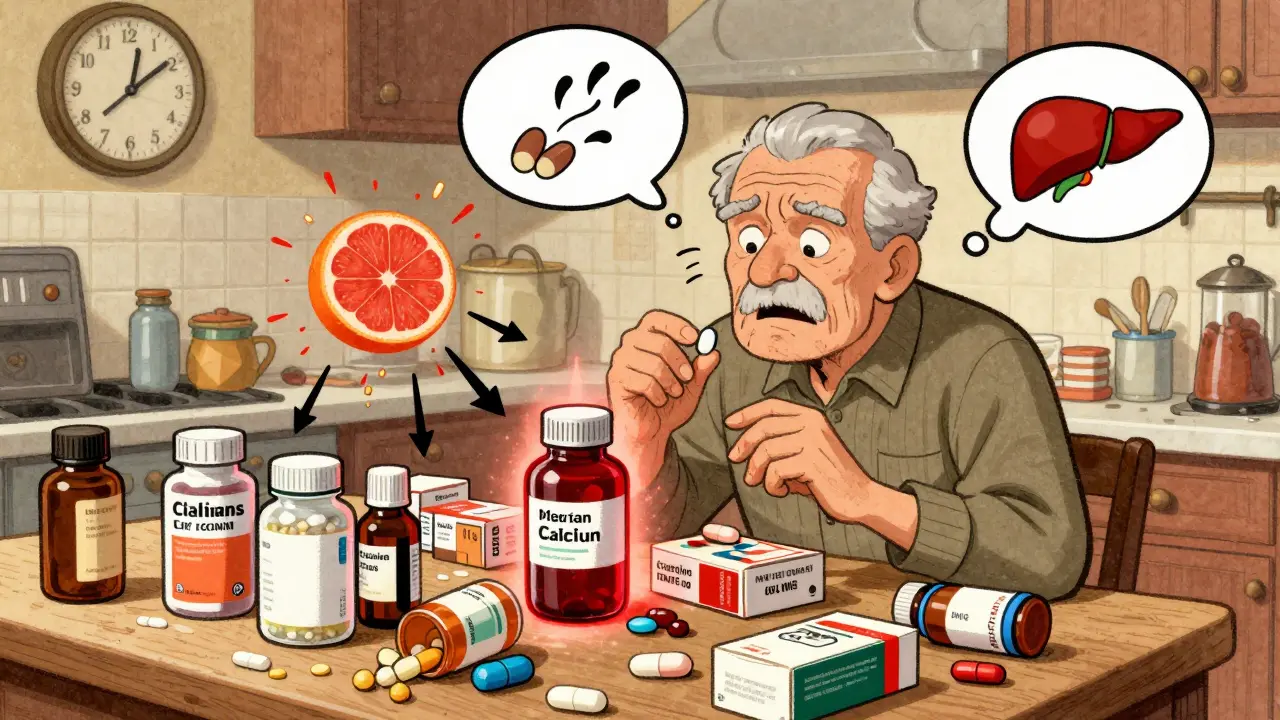
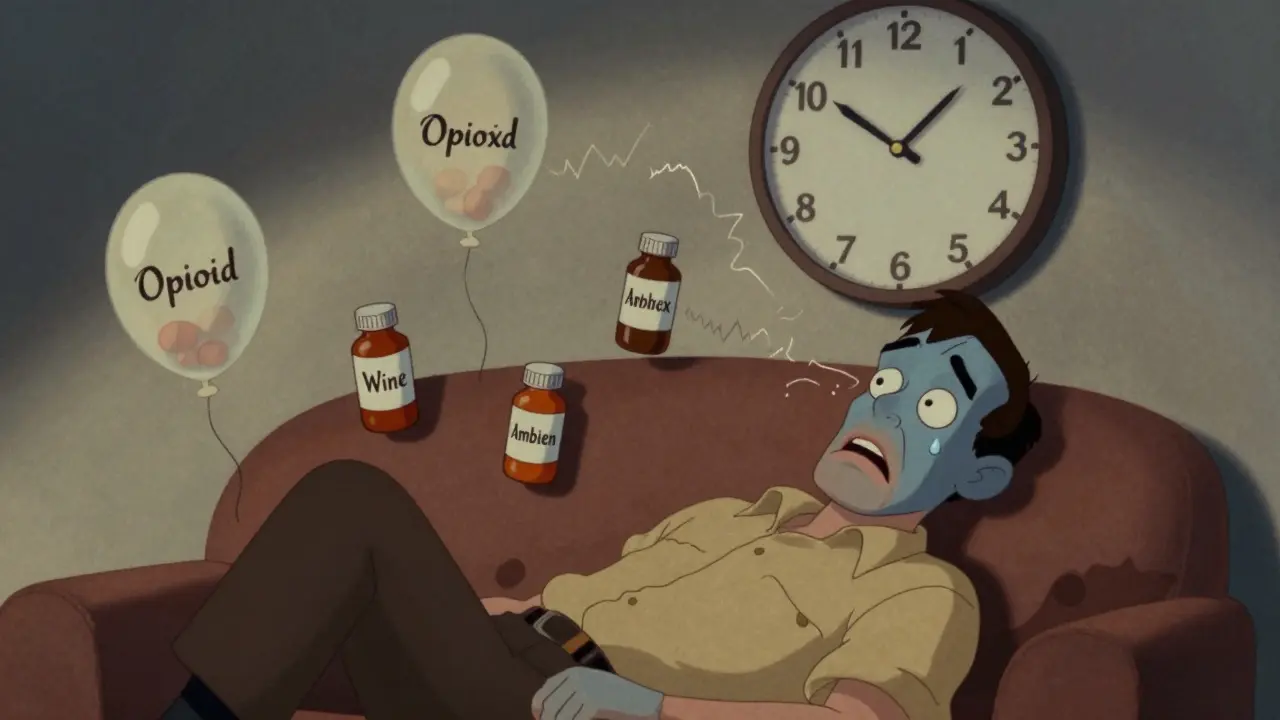
Reading these guides isn't as intuitive as it should be. They use a mix of clinical terms and legal warnings that can feel like a different language. But the stakes are high. According to an Institute of Medicine report, medication errors lead to roughly 7,000 deaths every year in the US. A huge chunk of these happen because two substances-maybe a prescription drug and a morning glass of grapefruit juice-don't get along. If you can master a few simple patterns in these guides, you can take control of your own safety.
The Fast Track: Where to Look First
You don't need to read every single word of a five-page insert to find the danger zones. Depending on what you're taking, the warnings are tucked into different spots.
For prescription drugs, look for Prescribing Information is the detailed technical document provided by the manufacturer . Specifically, head straight to Section 7. The FDA requires this section to be titled "Drug Interactions." This is where the heavy lifting happens, detailing exactly which chemicals clash and why.
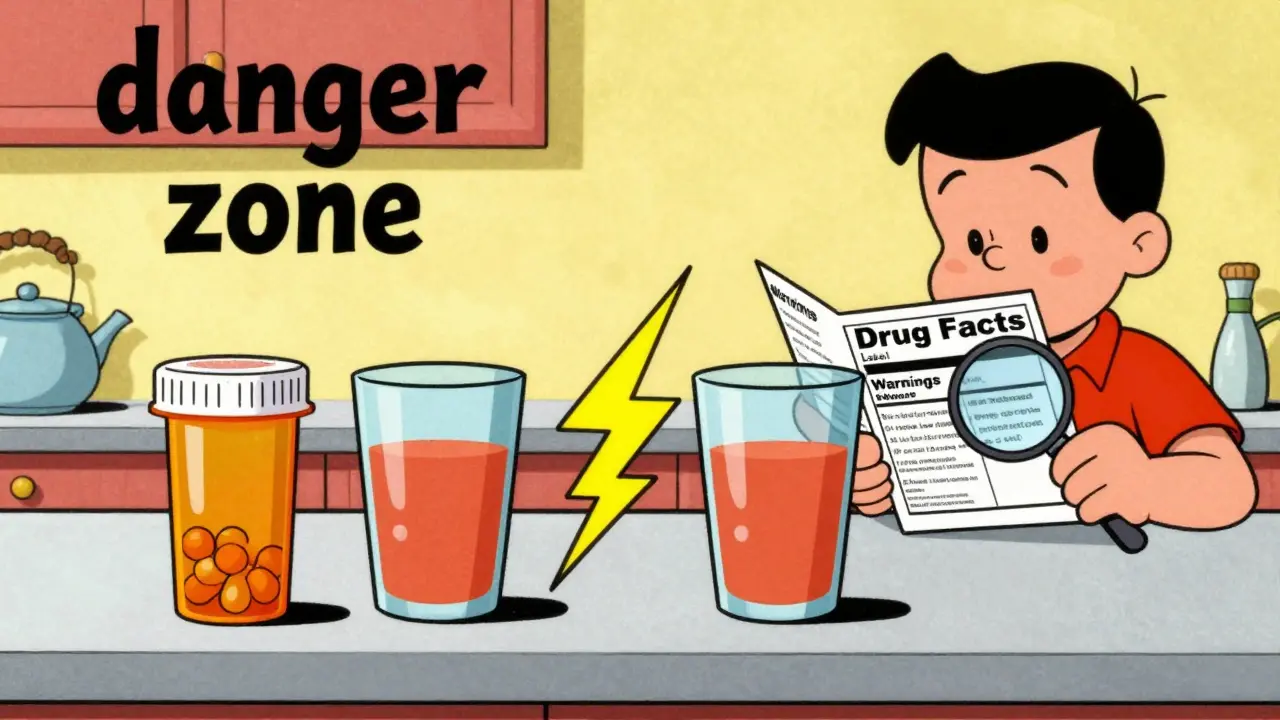
If you're looking at an over-the-counter (OTC) product, the layout is different. You won't find a "Section 7." Instead, look at the Drug Facts Label, which is the standardized panel on the back or side of OTC packaging . The interaction warnings are usually embedded within the "Warnings" block. They might be listed as "Ask a doctor before use if..." or "Do not use if..."
One of the biggest mistakes people make is ignoring the Black Box Warning. If you see a literal box with a thick black border at the top of the guide, stop everything and read it. These are the most serious warnings the FDA allows, often signaling that a specific interaction could be fatal.
Decoding the Severity: What Do the Terms Actually Mean?
When you find the interactions list, you'll notice different words used to describe the risk. Not every "interaction" means you can't take the drug; some just mean you need to be careful. To keep it simple, most healthcare systems, including those using standards from CredibleMeds, categorize risks into a few main tiers.
| Severity Level | What it Means | Action Required |
|---|---|---|
| Contraindicated | The risk far outweighs any possible benefit. | Absolute avoidance. Do not take together. |
| Major | Likely to cause serious adverse effects. | Avoid unless a doctor provides a specific alternative. |
| Moderate | May cause a clinical change or side effect. | Use with caution; monitoring or timing changes may be needed. |
| Minor | Minimal effect on the patient. | Generally safe, but good to be aware of. |
For example, if you're taking Warfarin, a common blood thinner, the guide might list NSAIDs (like ibuprofen) as a major risk. Why? Because both thin the blood, and taking them together can increase your bleeding risk by 70% to 100%. That's a "Major" warning that requires a conversation with your pharmacist.
The Hidden Culprits: Supplements and Food
Most people think "interaction" only means "drug-to-drug." In reality, some of the most dangerous clashes happen between a prescription pill and something in your pantry. Experts, including professors at Northeastern University, have noted that nearly 37% of clinically significant interactions involve OTC meds or supplements.
Keep an eye out for these common triggers in your guides:
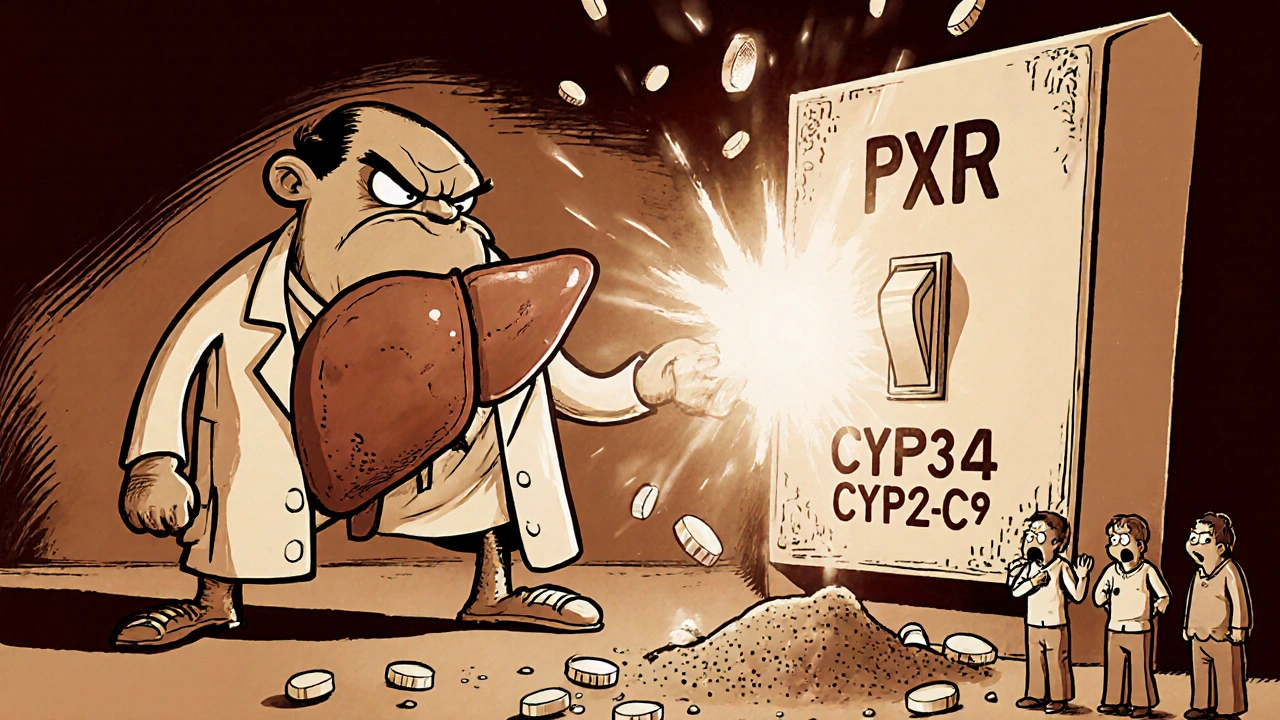
- Grapefruit Juice: It interferes with CYP3A4, an enzyme in the liver and intestines that breaks down about 50% of all prescription drugs . If your guide mentions "CYP3A4 inhibitors," grapefruit is often the culprit. For someone on Simvastatin, this can increase drug exposure tenfold, spiking the risk of muscle breakdown.
- St. John's Wort: This herbal supplement is notorious for making other drugs less effective by "speeding up" how your liver clears them out.
- Leafy Greens: If you're on certain blood thinners, too much Vitamin K (found in spinach and kale) can cancel out the medication's effect.
If your guide says "avoid certain foods," don't guess. Be specific. A single glass of grapefruit juice can actually shift your blood clotting levels (INR) significantly within 24 hours.
Step-by-Step: Your Interaction Safety Checklist
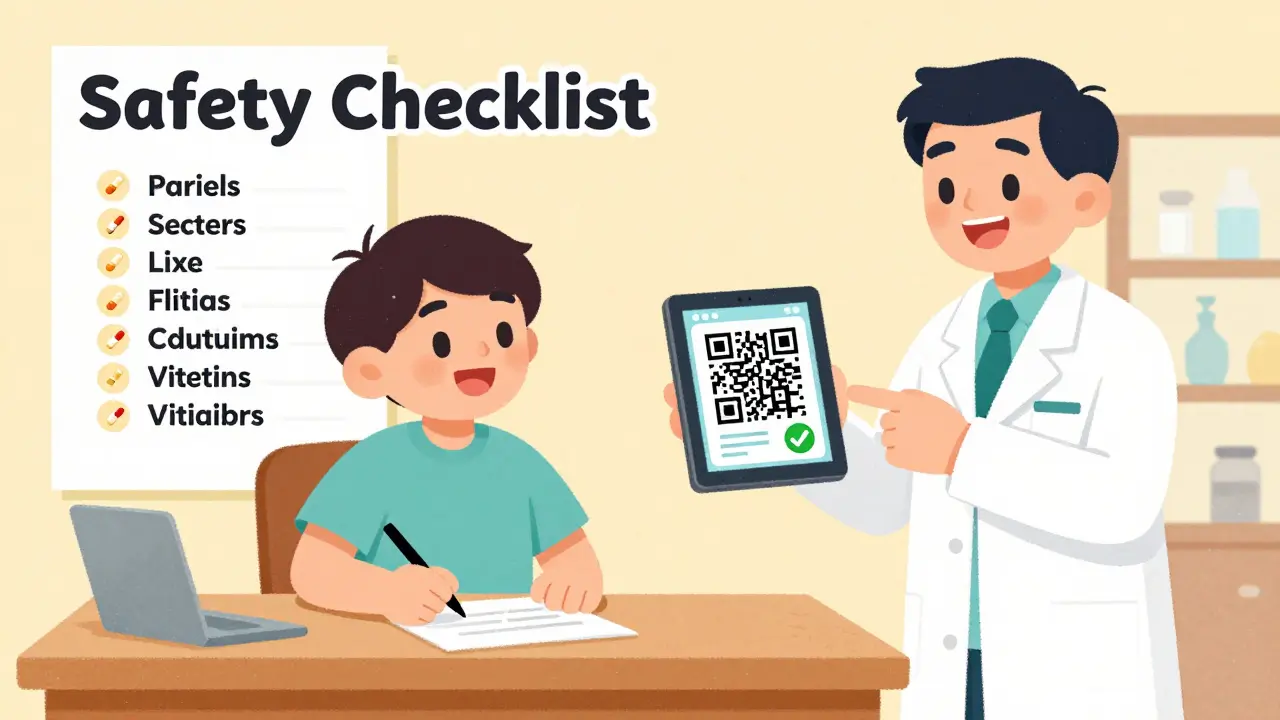
Since reading these guides can be overwhelming, follow this four-step process recommended by safety programs like those at the Cleveland Clinic. This ensures nothing slips through the cracks.
- List everything: Write down every prescription, every vitamin, and every herbal tea you take. The average patient takes nearly five different medications; it's easy to forget one.
- Scan the "Drug Interactions" section: Open the guide for each medication. Look for the keywords we discussed: "Contraindicated," "Avoid," and "Use with Caution."
- Use a Digital Checker: Don't rely solely on the paper. Use the FDA Drug Interaction Checker to cross-reference your list. Many new medications now include a QR code on the packaging that links directly to an interactive digital guide.
- Ask about timing: Some interactions are based on when you take the drug. For moderate interactions, separating doses by 2 to 4 hours can actually mitigate about 60% of the problem. Ask your pharmacist, "Do I need to space these out?"
Spotting the Formatting Clues
The FDA uses specific visual cues to help you prioritize information. If you're skimming, look for these markers:
Bold Text: Usually reserved for the most critical "Do not take" warnings. If it's bold, it's non-negotiable.
Italicized Text: Often used for precautionary statements, like "Ask your doctor if you have kidney disease." These are important but are usually conversation starters rather than hard stops.
Bullet Points: These typically list the specific conditions or other drugs that trigger the warning. For instance, a guide for apixaban might use bullets to clearly list other anticoagulants you must avoid.
The Future of Medication Guides
Reading a tiny piece of paper is an old-school way of staying safe. We're moving toward a more digital era. By 2025, the FDA is requiring new drug applications to include scannable QR codes. This means instead of squinting at a page, you can pull up a digital guide with voice navigation and real-time updates.
Some hospitals are even using personalized interaction reports generated from electronic health records. In one Mayo Clinic study, this technology reduced interaction incidents by 42%. While the tech is great, the habit of checking your guides remains your first line of defense.
What is the difference between a "major" and "moderate" interaction?
A major interaction is one where the potential for serious harm is high, and the drug combination should generally be avoided. A moderate interaction means the drugs can usually be taken together, but your doctor may need to adjust the dose or monitor you more closely for side effects.
Where do I find interaction warnings for vitamins and supplements?
Supplements aren't regulated as strictly as prescription drugs, so they may not have a standardized "Drug Interactions" section. Always check the "Warnings" or "Caution" section on the label, and more importantly, run your supplement list by a pharmacist, as many herbs (like St. John's Wort) have powerful interactions.
Can food really cause a drug interaction?
Yes. Certain foods can either block the absorption of a drug or stop the body from breaking it down. For example, grapefruit juice inhibits the CYP3A4 enzyme, which can lead to dangerously high levels of certain medications in your bloodstream.
What should I do if I find a "Contraindicated" warning for a drug I'm already taking?
Do not stop taking your medication abruptly without medical supervision, as this can be dangerous. Instead, call your doctor or pharmacist immediately. They can help you transition to a safer alternative or monitor you if the benefit of the drug outweighs the risk.
Does a "Black Box Warning" always mean the drug is unsafe?
No. It means there is a serious, potentially life-threatening risk associated with the drug under certain conditions. Many people take drugs with black box warnings safely, but it requires strict adherence to the guidelines and close supervision by a healthcare provider.
Next Steps for Staying Safe
If you're currently managing multiple medications, start by auditing your medicine cabinet today. Gather all your guides-even the ones for your daily multivitamins. If you find any contradictions or "Major" warnings that weren't discussed with your doctor, make a list of them.
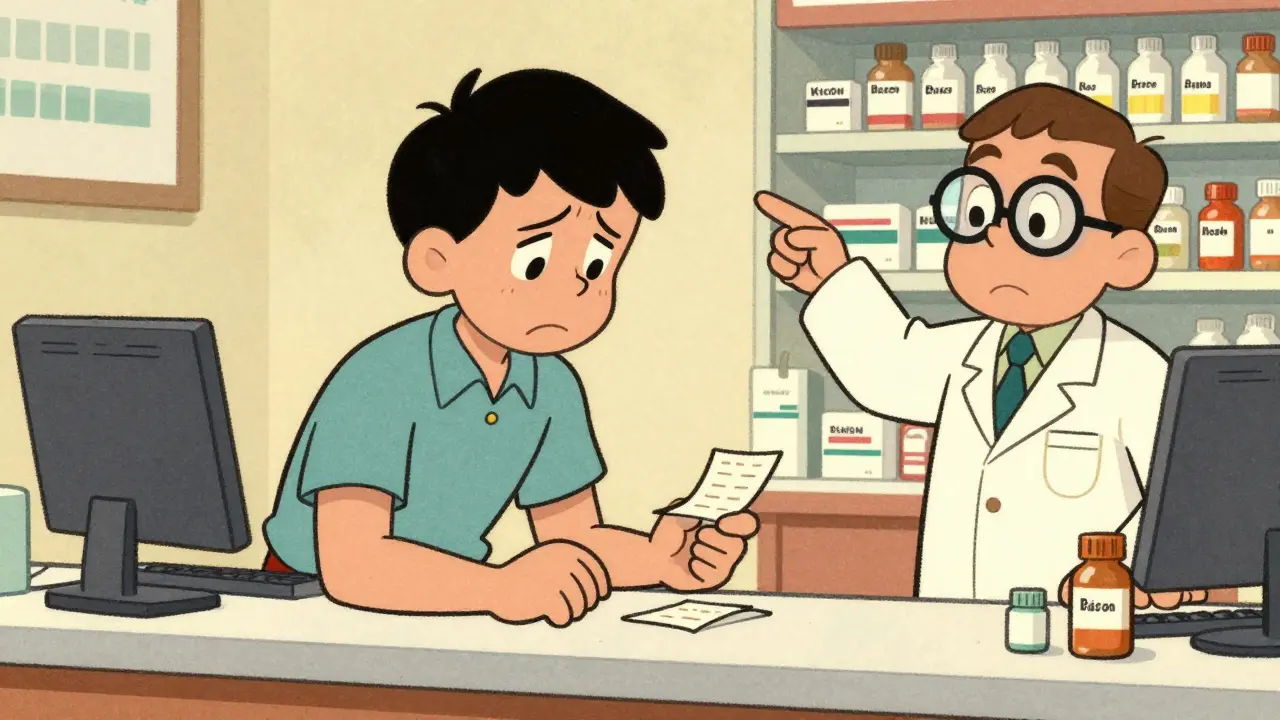
At your next appointment, don't just tell the doctor what you're taking; show them the list. If you're feeling overwhelmed by the paperwork, remember that your pharmacist is the most accessible expert in the building. They can translate the clinical jargon of a medication guide into a simple plan for when and how to take your meds safely.