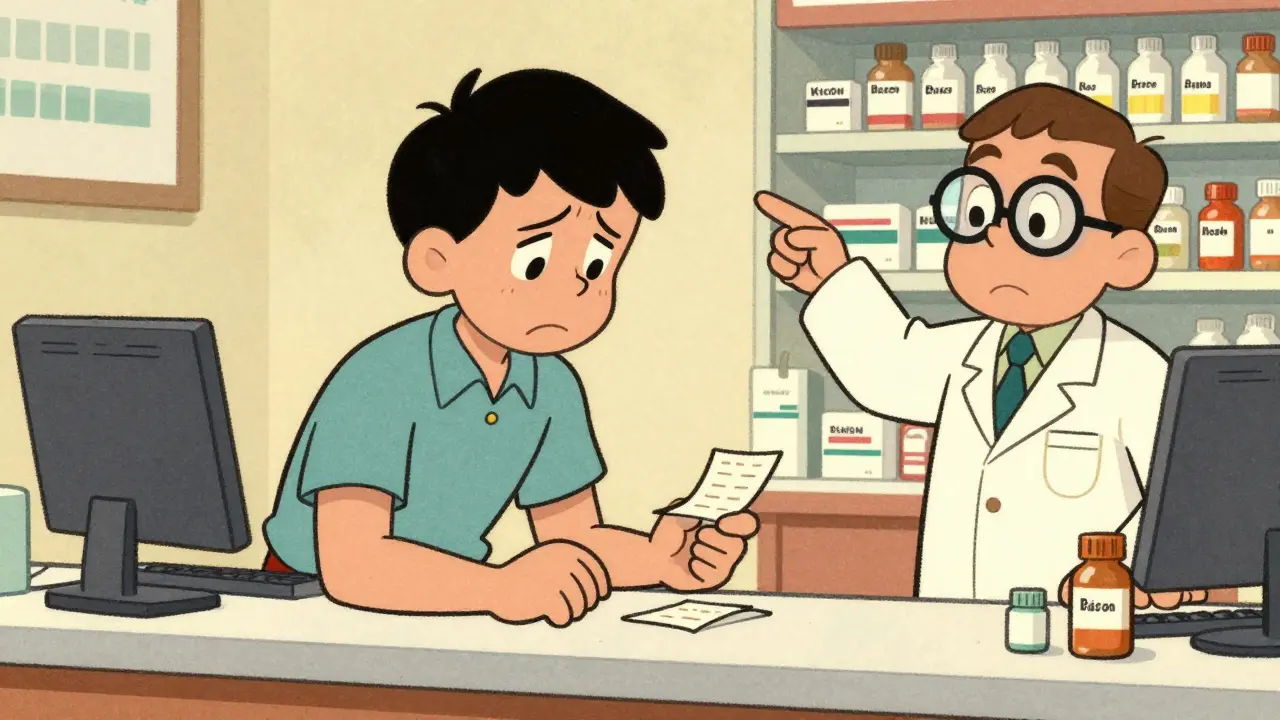
Ever since you've stood at a pharmacy counter and felt that sinking feeling when the pharmacist tells you the price of a life-saving drug? You aren't alone. The US healthcare system is a tangled web of manufacturers, insurance companies, and middlemen, often leaving patients to foot a bill that feels arbitrary and overwhelming. But here is the truth: the price you see on the screen isn't always the price you have to pay. Between new federal laws, clever pricing models, and insurance loopholes, there are concrete ways to slash what you pay for your prescriptions.
Quick Ways to Save on Your Prescriptions
- Ask for Generics: Almost always cheaper and clinically identical to brand names.
- Use Coupons: Apps and manufacturer programs can either replace or supplement insurance.
- Review Your Formulary: Check which drugs your insurance actually prefers to cover.
- Leverage Medicare Caps: If you're on Medicare, take advantage of the new $2,000 out-of-pocket limit.
- Challenge Prior Authorizations: Work with your doctor to provide the specific evidence insurers demand.
Understanding Generics and Biosimilars
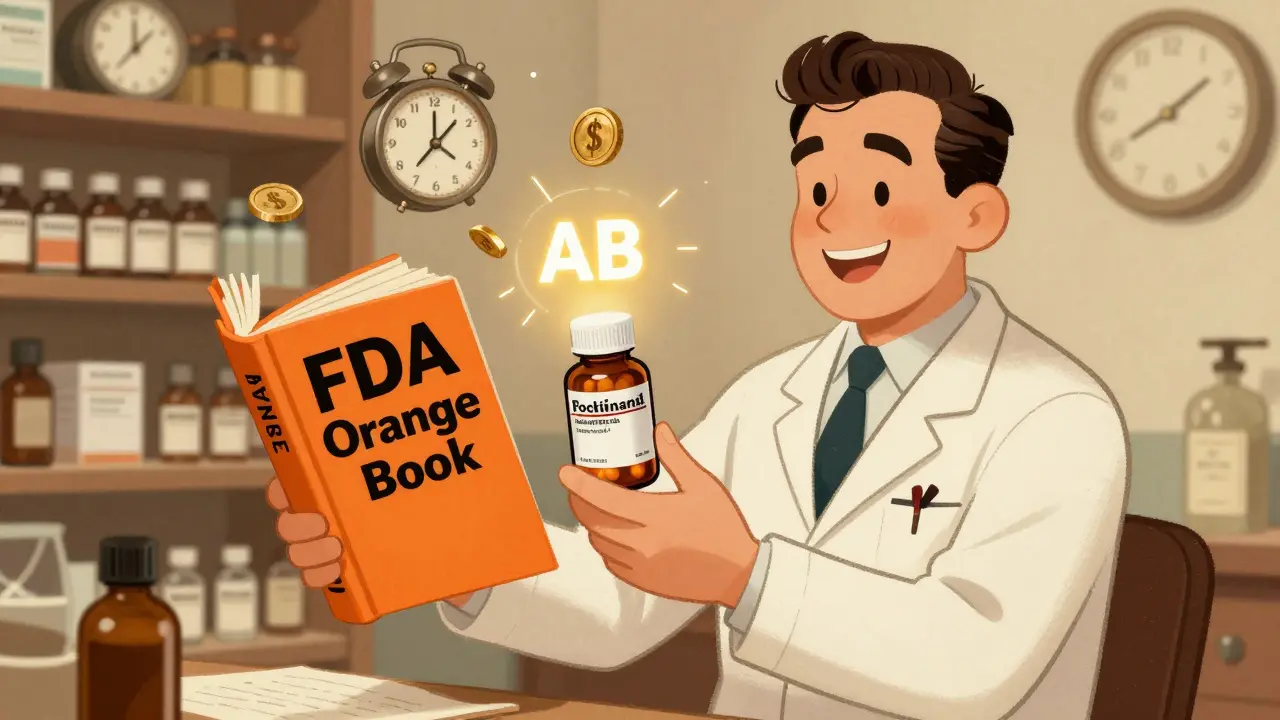
The most immediate way to lower your bill is to switch from a brand-name drug to a generic. A Generic Drug is a medication created to be the same as an existing approved brand-name drug in dosage, safety, strength, route of administration, quality, and performance characteristics. Because generic manufacturers don't have to repeat the expensive clinical trials the original company did, they can sell the drug for a fraction of the cost.
For those taking complex biological medications, you'll encounter Biosimilars. Unlike simple chemical generics, these are highly similar versions of complex protein-based drugs. While not identical copies, they provide the same clinical result. As the CBO noted in late 2024, speeding up the market entry of these biosimilars can lead to price reductions of 1% to 3% across the board.
If your pharmacist says a generic isn't available, don't just walk away. Ask about "therapeutic alternatives." This is where your doctor switches you to a different drug entirely that treats the same condition but is cheaper and covered by your plan.
Navigating the Maze of Coupons and Cost-Plus Models
If insurance isn't cutting it, you have to look at the distribution channel. Traditional pharmacies often operate on a "spread-based" model, where the middleman-the Pharmacy Benefit Manager or PBM-keeps the difference between what they pay the pharmacy and what they charge the insurer. This obscures the real cost of the drug.
To fight this, new models have emerged. For example, Mark Cuban's Cost-Plus Drugs Company uses a transparent pricing structure: the actual cost of the drug plus a small, fixed percentage. This approach has shown savings of up to 30% on generics and 10% on some branded medications. It removes the PBM guesswork and gives you a flat, honest price.
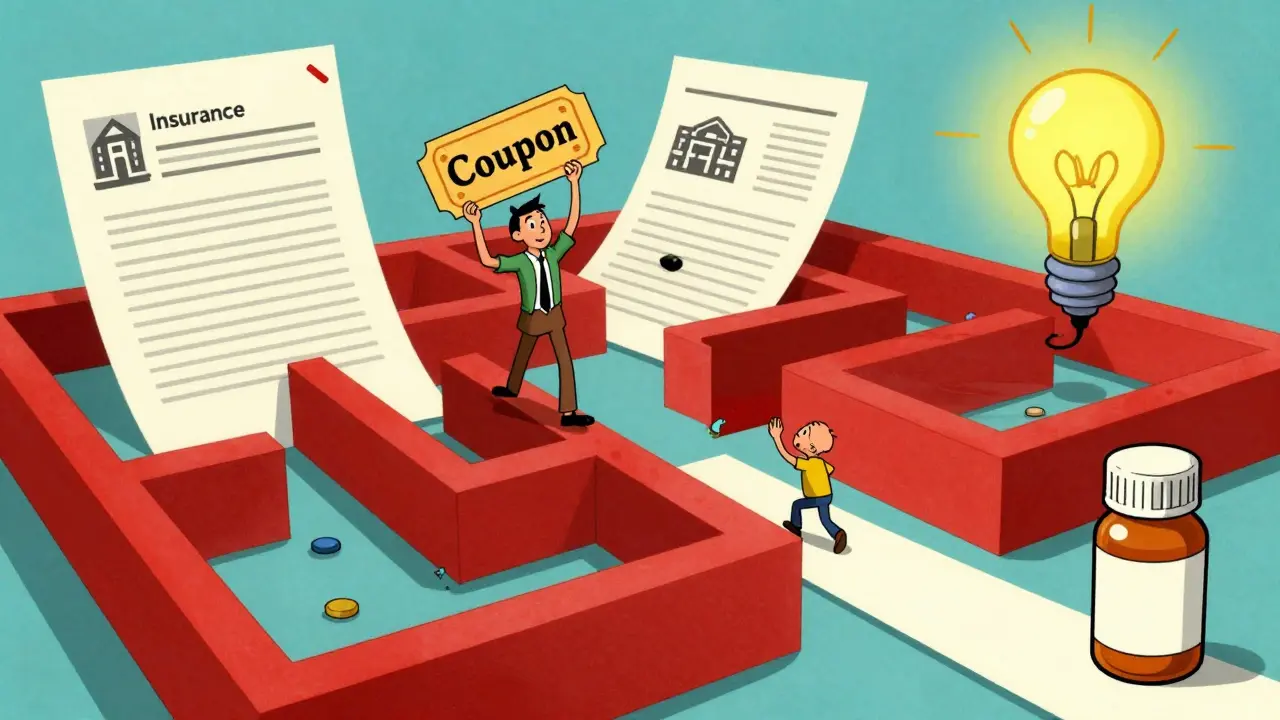
Then there are the coupons. Manufacturer coupons are often available for expensive brand-name drugs, sometimes bringing the cost down to $0 or $25. However, be careful: some coupons don't count toward your insurance deductible. This means you save money today, but you might hit your out-of-pocket maximum slower, which could cost you more in the long run if you have a high-cost medical year.
| Method | Typical Savings | Best For... | Trade-off |
|---|---|---|---|
| Generic Switching | 50% - 80% | Common chronic meds | Must be clinically appropriate |
| Cost-Plus Pharmacies | 10% - 30% | Uninsured or high-deductible | Limited drug selection |
| Manufacturer Coupons | Variable (High) | New, expensive brand names | May not count toward deductible |
| Medicare Negotiation | Up to 22% | Seniors on Medicare | Only applies to specific drugs |
Tackling Prior Authorizations
There is nothing more frustrating than getting to the pharmacy only to find your medication is "pending prior authorization." Essentially, a Prior Authorization is a requirement from your insurance company that your doctor proves the medication is medically necessary before they agree to pay for it.
Insurers use this as a gatekeeping mechanism to steer you toward cheaper alternatives. If you've already tried the cheaper versions and they didn't work, your doctor needs to document this "step therapy" failure. To speed up the process, don't just wait for the mail. Call your doctor's office and ask specifically if they have submitted the "clinical justification" required by the insurer. Providing a clear list of failed medications and the specific reasons (e.g., severe side effects or lack of efficacy) can turn a three-week delay into a three-day approval.
Big Changes in 2026: Medicare and the IRA
If you or a loved one is on Medicare, the landscape has shifted dramatically thanks to the Inflation Reduction Act (IRA). For years, the government couldn't negotiate prices directly with drug companies. That changed. As of January 2026, the first 10 negotiated prices for high-cost drugs have officially taken effect. These negotiations are expected to save Medicare roughly $6 billion this year alone.
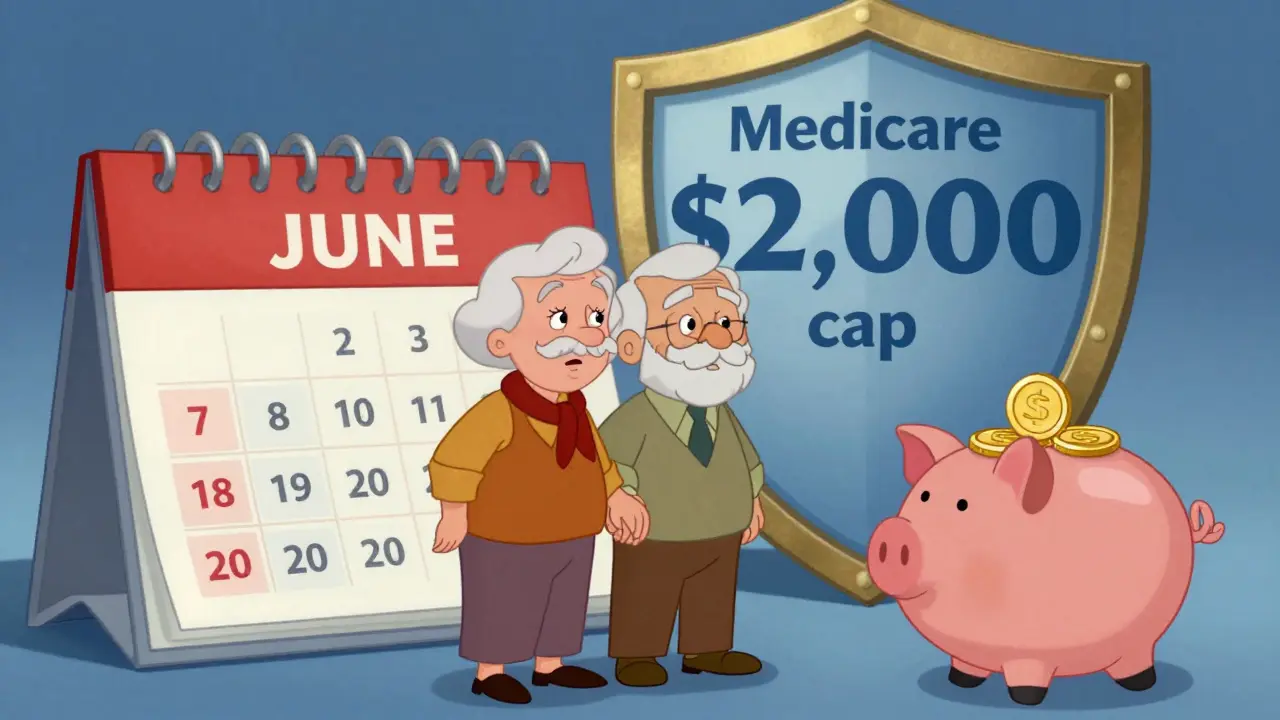
Even more critical is the new structure for Medicare Part D. The most significant win for patients is the $2,000 out-of-pocket cap. Gone are the days of the "donut hole" or coverage gap where you suddenly had to pay full price for your meds after hitting a certain limit. Now, once you hit that $2,000 ceiling, your out-of-pocket costs for covered drugs vanish for the rest of the year. This provides a level of financial predictability that simply didn't exist a few years ago.
The Role of 340B and State Boards
For those in underserved communities, the 340B Drug Pricing Program is a lifeline. It allows certain healthcare providers-like safety-net hospitals and clinics-to purchase drugs at significantly reduced prices, which they can then pass on to patients. While some manufacturers try to restrict these discounts to prevent "duplicate discounts," the program remains a vital tool for increasing access to expensive therapies for low-income populations.
Keep an eye on your state's laws too. Several states have created "Prescription Drug Affordability Boards." For example, Minnesota has used prices from the Inflation Reduction Act as a guide to set upper payment limits on what can be charged. These boards are attempting to do at the state level what the federal government is doing with Medicare: putting a ceiling on the most egregious price hikes.
Practical Tips for Your Next Pharmacy Visit
Managing medication costs isn't a one-time task; it's an ongoing strategy. Every time your prescription is renewed, it's a chance to save. Ask your pharmacist: "Is there a generic for this?" or "Is there a manufacturer coupon available?"
If you're dealing with a high-cost specialty drug, ask about "outcomes-based agreements." Some newer, high-priced gene therapies are starting to use a model where the insurance company only pays the full price if the drug actually works. While this is mostly happening with cutting-edge treatments like Zolgensma, it's a trend toward a more fair pricing system that may eventually reach more common medications.
Does a generic drug work as well as a brand-name drug?
Yes. To be approved by the FDA, a generic drug must be "bioequivalent," meaning it has the same active ingredient, strength, and dosage form as the brand-name version and delivers the same amount of the drug to your bloodstream in the same amount of time. The only differences are usually inactive ingredients like fillers or coloring.
What should I do if my insurance denies a prior authorization?
First, ask for the specific reason for the denial. Often, it's because the insurer wants you to try a cheaper drug first (step therapy). If that drug has already failed or is dangerous for you, your doctor can file an appeal with a "letter of medical necessity" explaining why the requested drug is the only viable option.
How does the $2,000 Medicare Part D cap work?
Under the updated rules, once your total out-of-pocket spending on covered Part D drugs reaches $2,000 in a calendar year, you no longer pay for any covered prescriptions for the remainder of that year. This eliminates the previous "coverage gap" and protects patients from catastrophic drug costs.
Can I use a coupon if I have insurance?
In many cases, yes, but you should ask the pharmacist which is cheaper: the insurance copay or the coupon. Be aware that manufacturer coupons usually do not count toward your annual insurance deductible. If you are close to hitting your deductible, using insurance might be the better long-term financial move.
What is the difference between a generic and a biosimilar?
Generics are chemically identical copies of small-molecule drugs. Biosimilars are for "biologics"-complex drugs made from living organisms. Because biologics are too complex to copy exactly, biosimilars are "highly similar" rather than identical, but they are proven to have no clinically meaningful differences in safety or effectiveness.
Next Steps for Managing Your Costs
If you're currently struggling with high costs, start by mapping out your current medications and their prices. Check if any are brand-name and ask your doctor about generics. If you're on Medicare, verify that your 2026 plan is taking advantage of the new price negotiations and the $2,000 cap. Finally, if you have an insurance denial, don't take it as a final answer-work with your provider to fight for the authorization you need.