
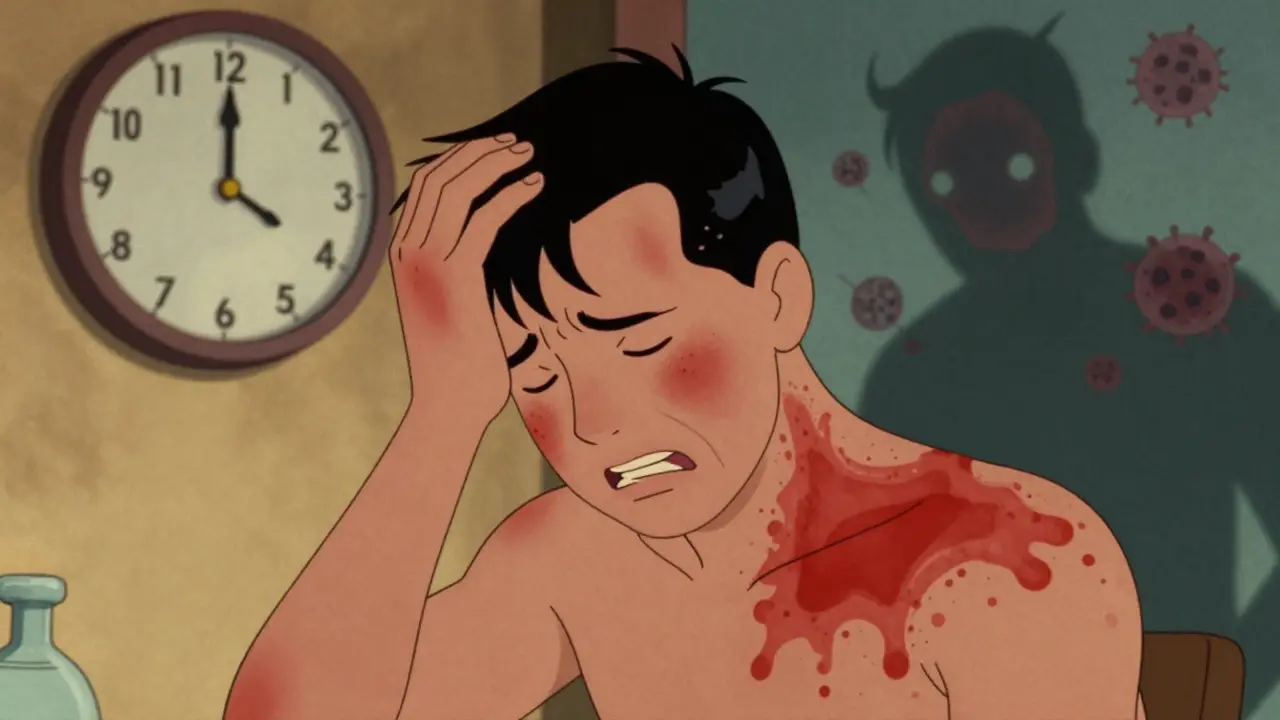
When you think of a sudden high fever, bad headache, and stiff neck, you might blame it on the flu. But if these symptoms come on fast-especially with a rash that doesn’t fade when you press on it-you could be facing something far more dangerous: meningitis. This isn’t just a bad headache. It’s inflammation of the membranes around your brain and spinal cord, and it can kill or leave lasting damage in hours. The good news? Many forms are preventable with vaccines you can get today.
What Exactly Is Meningitis?
Meningitis isn’t one disease. It’s a reaction in your body-your meninges (the thin layers protecting your brain and spinal cord)-swelling up in response to an invader. Most of the time, that invader is germs: bacteria, viruses, fungi, or parasites. But sometimes, it’s triggered by autoimmune issues, cancer, or even certain medications. The scary part? It can turn deadly in under 24 hours. That’s why recognizing the signs early is life-or-death.
Each year, about 1.2 million people worldwide get bacterial meningitis. Around 135,000 of them die. Even if you survive, 10-20% end up with permanent problems like hearing loss, seizures, or trouble learning. The good news? Vaccines have cut cases of the most common bacterial types by up to 99% in countries with strong immunization programs. In the U.S., these vaccines prevent about 1,000 cases every year.
The Five Main Types of Meningitis
Not all meningitis is the same. Here’s how they break down:
- Bacterial meningitis - The most dangerous. Caused by Neisseria meningitidis (meningococcus), Streptococcus pneumoniae (pneumococcus), or Haemophilus influenzae type b (Hib). Symptoms show up fast-within hours. Mortality rate? 5-30% even with treatment. This is the type that needs emergency antibiotics.
- Viral meningitis - The most common. Makes up 85% of all cases. Usually caused by enteroviruses (the same viruses that give you stomach bugs). It’s unpleasant-fever, headache, nausea-but rarely life-threatening. Most people recover on their own in 7-10 days.
- Fungal meningitis - Rare. Almost always affects people with weak immune systems, like those with HIV or on chemotherapy. Cryptococcus neoformans is the usual culprit. It’s slow to develop but deadly if untreated. Around 223,000 cases happen yearly, with 181,000 deaths.
- Parasitic meningitis - Very rare. Linked to eating raw or undercooked snails, slugs, or contaminated water in Southeast Asia and the Pacific. The parasite Angiostrongylus cantonensis causes it. Symptoms can last weeks, but death is uncommon.
- Non-infectious meningitis - Not caused by germs. Happens due to lupus, certain drugs, or cancer spreading to the meninges. Accounts for 5-10% of cases.
Doctors use spinal fluid tests to tell them apart. In bacterial cases, you’ll see white blood cell counts over 1,000 per microliter, low sugar in the fluid, and high protein. Viral cases show lower cell counts and normal sugar levels. Getting this right matters-giving antibiotics to someone with viral meningitis does nothing and can cause side effects.
What Do the Symptoms Look Like?
There’s a classic trio: fever, stiff neck, and confusion. But here’s the catch: only 41% of bacterial meningitis patients show all three. In fact, 70% show at least one. That means if you’re feeling off, don’t wait for the textbook signs.
Common symptoms include:
- High fever (over 101.3°F / 38.5°C) - seen in 86% of cases
- Severe headache - reported by 87% of patients
- Neck stiffness - 70% of cases
- Sensitivity to light - 65%
- Vomiting - 55%
Bacterial meningitis often adds more alarming signs:
- A dark red or purple rash that doesn’t fade when you press a glass against it (petechial or purpuric rash)
- Seizures - happens in 20-30% of cases
- Confusion or trouble waking up
- Rapid breathing or cold hands/feet
Doctors check for two physical signs: Brudzinski’s sign (your knees bend when you lift your head) and Kernig’s sign (you can’t straighten your leg when your hip is bent). These are highly specific-meaning if they’re present, meningitis is likely. But they’re only found in about half the cases. So don’t wait for them.
Vaccines: The Best Defense
Vaccines are your strongest weapon. They’ve turned meningitis from a feared killer into a preventable condition.
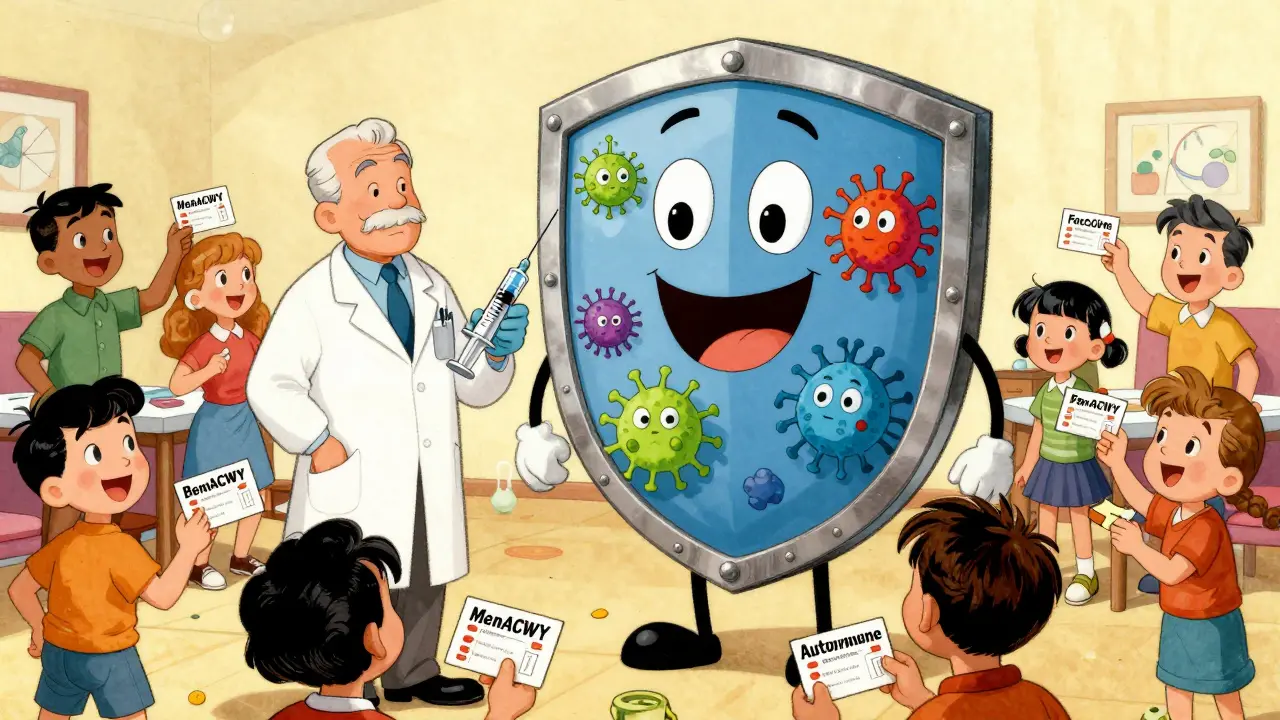
MenACWY vaccines (Menveo, MenQuadfi) protect against four major bacterial strains: A, C, W, and Y. The CDC recommends:
- First dose at age 11-12
- Booster at age 16
These vaccines are 80-85% effective. In the U.S., they prevent hundreds of cases each year. In Africa’s meningitis belt, a single MenA vaccine cut epidemic cases by 99% between 2010 and 2021.
MenB vaccines (Bexsero, Trumenba) target serogroup B-the strain most common in teens and young adults. Before 2024, these were only recommended for high-risk people. But new data showed they’re cost-effective for everyone. As of February 2024, the CDC now recommends routine MenB vaccination for all teens, ideally between 16 and 18.
College dorms are hotspots. Students living in close quarters have 3-5 times higher risk. Schools that require the vaccine see 75% fewer outbreaks.
PCV13 (pneumococcal vaccine) protects kids under 5 from pneumonia and meningitis caused by Streptococcus pneumoniae. It’s 80% effective. Hib vaccine has nearly eliminated Haemophilus influenzae type b meningitis in countries with routine shots-cases dropped by 99%.
Side effects? Mostly mild: sore arm, low fever, or tiredness. Lasts less than 48 hours. Only 2.3% of parents report any reaction, and almost none are serious.
What If You’re Not Vaccinated?
Vaccines aren’t the only way to reduce risk. Simple habits help too:
- Wash hands often - cuts transmission by 30-50%
- Don’t share drinks, utensils, toothbrushes - reduces spread by 25%
- Pregnant women: avoid unpasteurized dairy and undercooked meats (to prevent listeria meningitis)
If someone in your home or dorm gets bacterial meningitis, you might need antibiotics as a precaution. Ciprofloxacin or rifampin can drop your risk of catching it from 1-5% to under 0.1%. But timing matters: antibiotics must be given within 24 hours of exposure.
Why Early Recognition Saves Lives
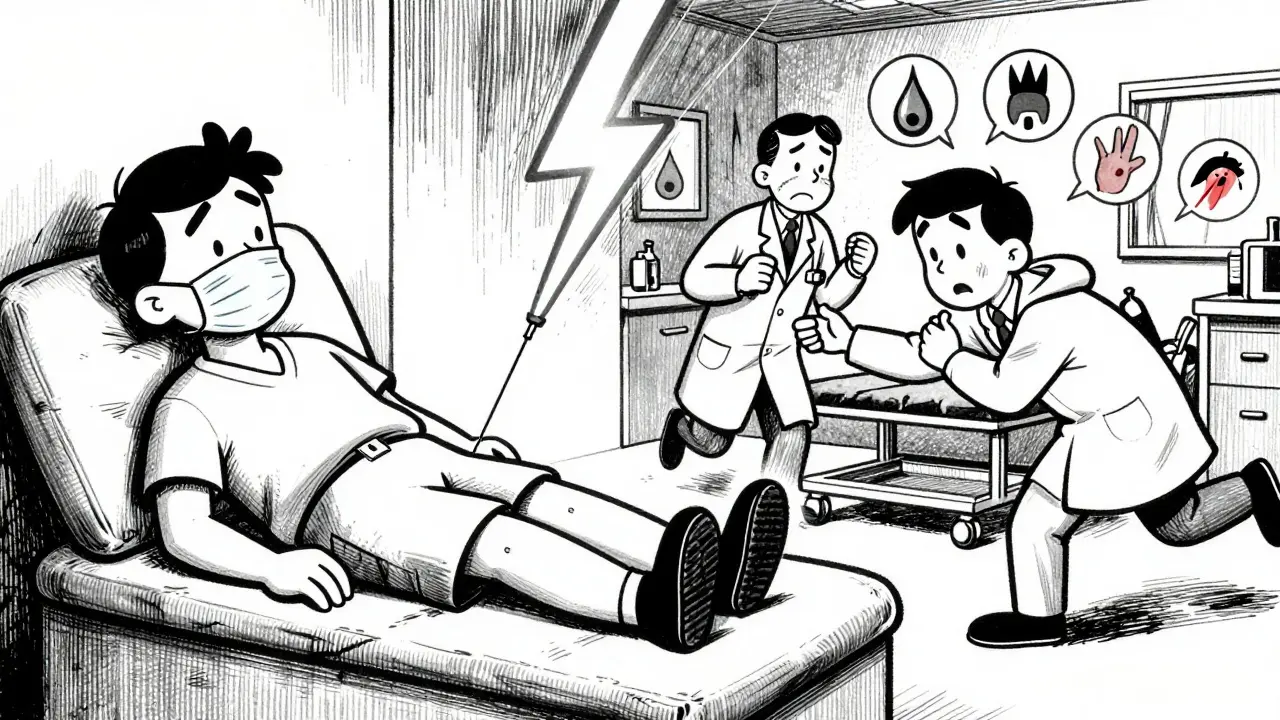
Delay is deadly. The CDC found that if treatment is delayed more than 4 hours after symptoms start, the death rate jumps from 5% to 21%. Many people wait because they think, “I don’t have the rash.” But the rash only shows up in 50-75% of cases. Another 42% were first told they had the flu or a migraine.
One study of 12 hospitals found that when doctors used a standard screening checklist, diagnostic delays dropped from 8.2 hours to 3.7 hours-and deaths fell from 18% to 9%. If you feel sudden fever, headache, and neck stiffness, don’t wait. Go to the ER. Tell them you’re worried about meningitis. Ask for a spinal tap.
What’s Changing in 2026?
Things are moving fast. In 2024, the WHO approved a new low-cost MenACWY vaccine priced at just $0.50 per dose-set to roll out in Africa and other low-income regions. The FDA expanded Trumenba’s use to kids as young as 10. And in March 2024, a new universal meningococcal vaccine showed 92% effectiveness in early trials, targeting proteins common to all strains. That could mean one shot for all types in the future.
But challenges remain. Antibiotic resistance is rising. In the U.S., penicillin-resistant pneumococcus cases jumped from 15% in 2010 to 32% in 2023. That means doctors now start with stronger antibiotics right away. And while vaccines have been a miracle, they don’t cover every strain. That’s why ongoing surveillance and research are critical.
Final Thoughts
Meningitis is rare-but deadly. It doesn’t care if you’re young, healthy, or smart. It strikes fast. But you’re not powerless. Vaccines work. They’re safe. They’re available. The CDC’s recommendations are clear: get MenACWY at 11-12, get the booster at 16, and now, get MenB too. If you’re a parent, make sure your teen is covered before they head to college. If you’re an adult, check your records. If you’ve never been vaccinated, talk to your doctor. This isn’t about fear. It’s about smart, simple protection.



Dylan Patrick
I got my MenB shot last year before college. Honestly? Felt a little sore for a day. No big deal. But knowing I’m not one bad headache away from a hospital stay? Worth it.
My roommate thought it was overkill. Now he’s getting his too.
Kathy Leslie
My cousin had bacterial meningitis in college. She was fine one day, in ICU the next. No rash. Just super tired and confused. They almost missed it. Please get vaccinated. It’s not just for kids.
Elsa Rodriguez
I can’t believe people still skip the MenB shot. Like, you’re literally rolling dice with your brain. And then you wonder why your cousin’s in a wheelchair. So irresponsible.
Serena Petrie
Vaccines are fine. But let’s not pretend this is the biggest threat out there.
rakesh sabharwal
The data presented here is statistically robust but lacks epistemological nuance. One must interrogate the confounding variables in vaccine efficacy studies-particularly selection bias in cohort sampling and the exclusion of non-Western epidemiological models. The 99% reduction metric is a statistical artifact, not a biological absolute.
mir yasir
While the Western medical paradigm emphasizes prophylactic intervention, one must consider the holistic tradition of Ayurveda and Unani medicine, which have long addressed systemic immunity through dietary and lifestyle modalities. The overreliance on synthetic immunogens may be shortsighted.
Alex MC
I’m glad they updated the guidelines for MenB. My daughter’s school didn’t even mention it until she was 17. Glad to see science catching up. 🙏
Aaron Leib
If you’re over 18 and never got the MenACWY booster, check your records. It’s free at most clinics. Takes 10 minutes. Could save your life or someone else’s.
Buddy Nataatmadja
In Indonesia, we don’t have routine meningitis vaccines. But we do have strong community health networks. People know the signs. They take fever seriously. Sometimes tradition beats bureaucracy.
Amisha Patel
I read this after my nephew got sick. I didn’t know about the rash test. I pressed on it. It didn’t fade. We went right to ER. He’s fine now. Thank you for sharing this.