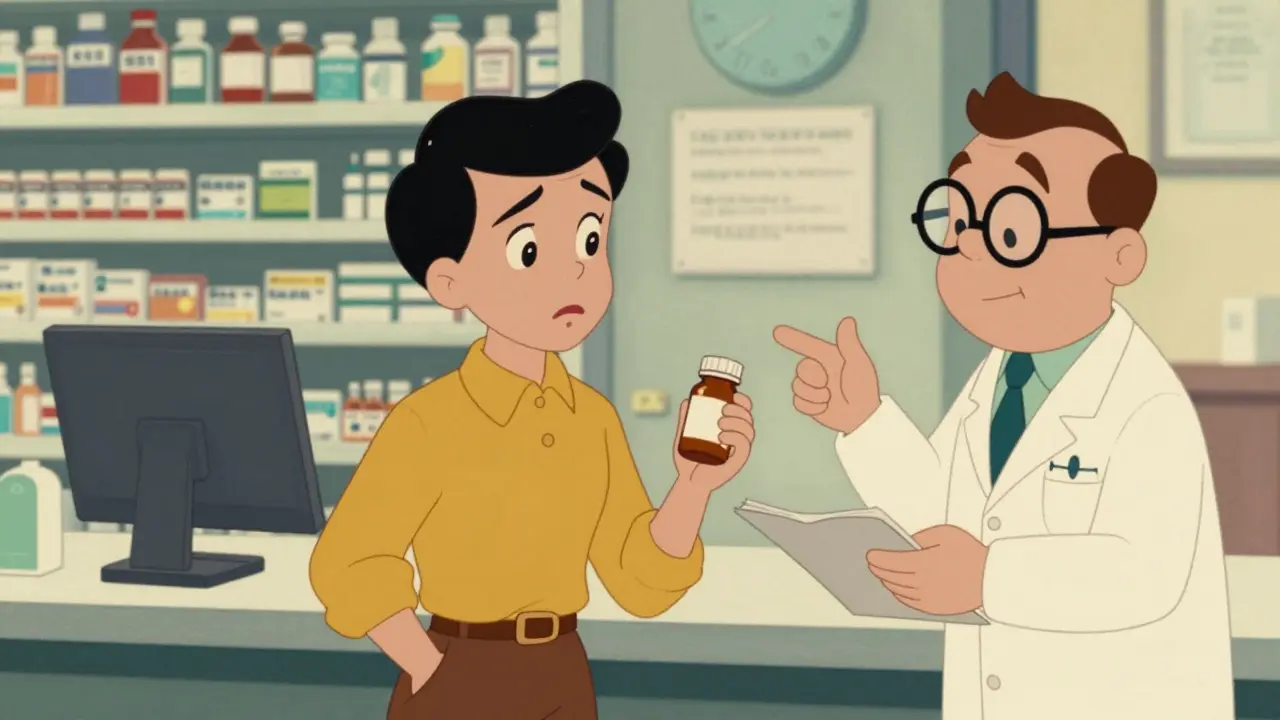
Adverse Drug Reaction Reporting: What You Need to Know
When a medicine causes harm instead of helping, that’s an adverse drug reaction, an unintended and harmful response to a medication taken at normal doses. Also known as ADR, it’s not just a side effect—it’s a safety signal that can prevent others from being hurt. Every year, millions of people experience these reactions, from mild rashes to life-threatening organ damage. But here’s the catch: most go unreported. That’s why pharmacovigilance, the science and activities focused on detecting, assessing, understanding, and preventing adverse effects of medicines exists—to turn quiet patient experiences into public safety actions.
Doctors, pharmacists, and drug companies are required to report serious reactions, but patients are the most important source. If you took a new pill and started feeling dizzy, had trouble breathing, or noticed strange bruising, that’s not just bad luck—it’s data. When you report it, you’re helping regulators spot patterns. For example, reports of nerve damage from metronidazole led to updated warnings. Reports of skin reactions to certain antibiotics changed prescribing habits. Without patient input, these signals stay hidden. drug safety, the ongoing process of monitoring medications after they’re on the market doesn’t work in a vacuum. It needs real-world input.
It’s not just about individual symptoms. medication monitoring, tracking how drugs behave in real patients over time reveals hidden risks. A drug that’s safe for most might cause dangerous drops in sodium for people with kidney disease. Or it might interact badly with common supplements. The posts below cover real cases: how rifampin lowers blood thinner levels, how metronidazole causes numbness, how photosensitivity turns sun exposure into burns. These aren’t rare accidents—they’re predictable outcomes that only show up when enough people speak up.
You don’t need to be a scientist to help. You just need to notice something off, write it down, and share it. Whether it’s a new headache after starting a generic version of your blood pressure pill, or swelling after switching antihistamines—your report could be the one that triggers a warning, a label change, or even a recall. Adverse drug reaction reporting isn’t bureaucracy. It’s the quiet, powerful way ordinary people protect each other from harm.
Below, you’ll find practical guides on how to spot dangerous reactions, what to do when they happen, and how to report them effectively—because knowing what to watch for is the first step in keeping yourself and others safe.
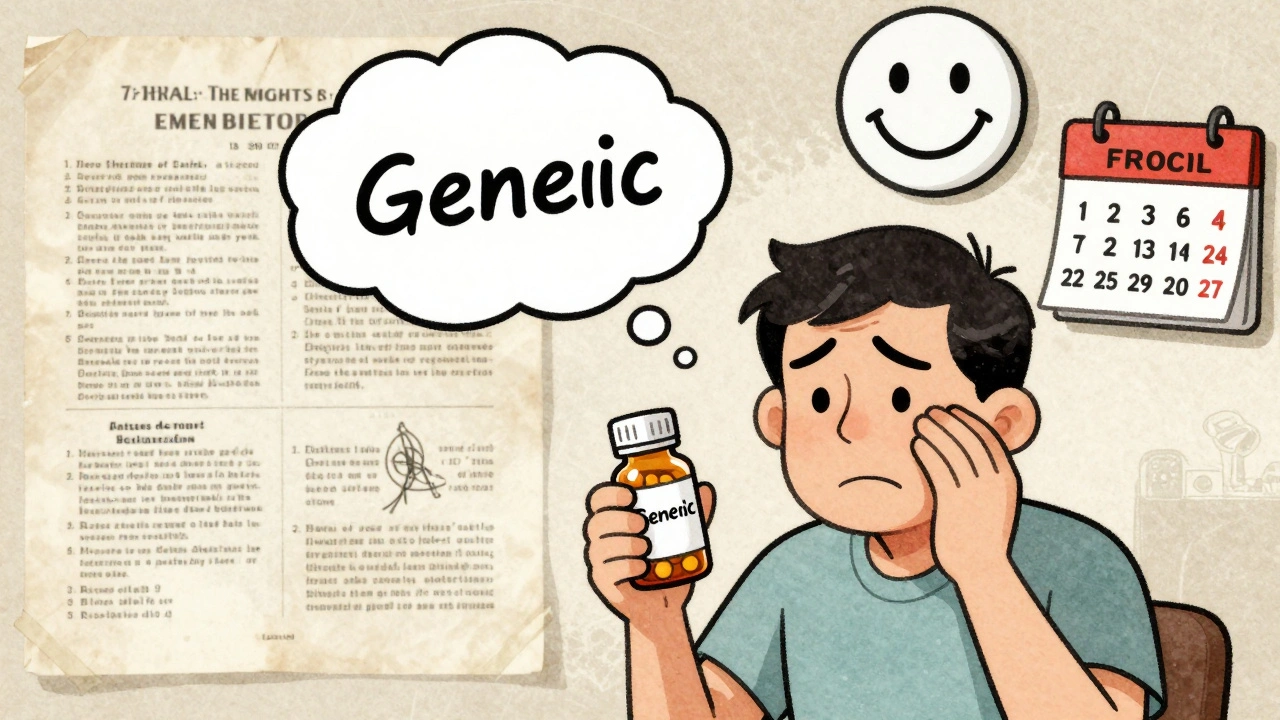
How to Report Side Effects After Switching to a Generic Medication
Learn how to report side effects after switching to a generic medication using the FDA's MedWatch system. Understand when to report, what info to provide, and why your report matters for drug safety.
Popular posts