
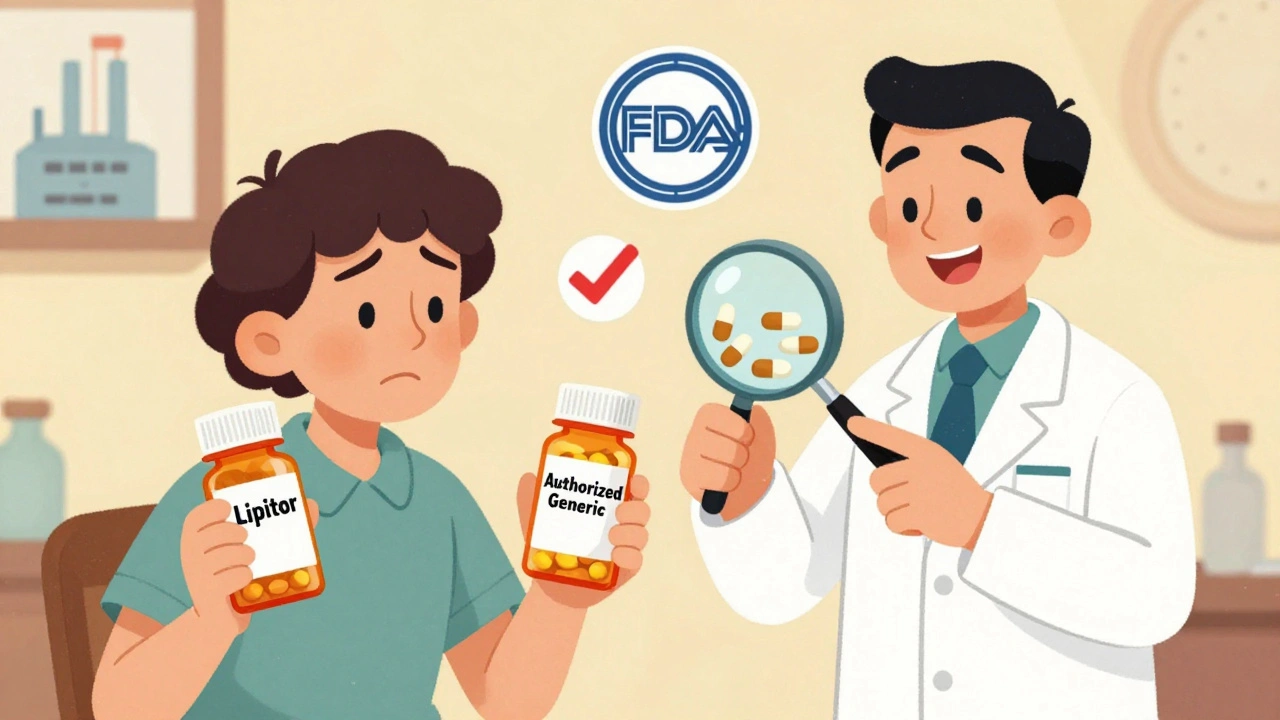
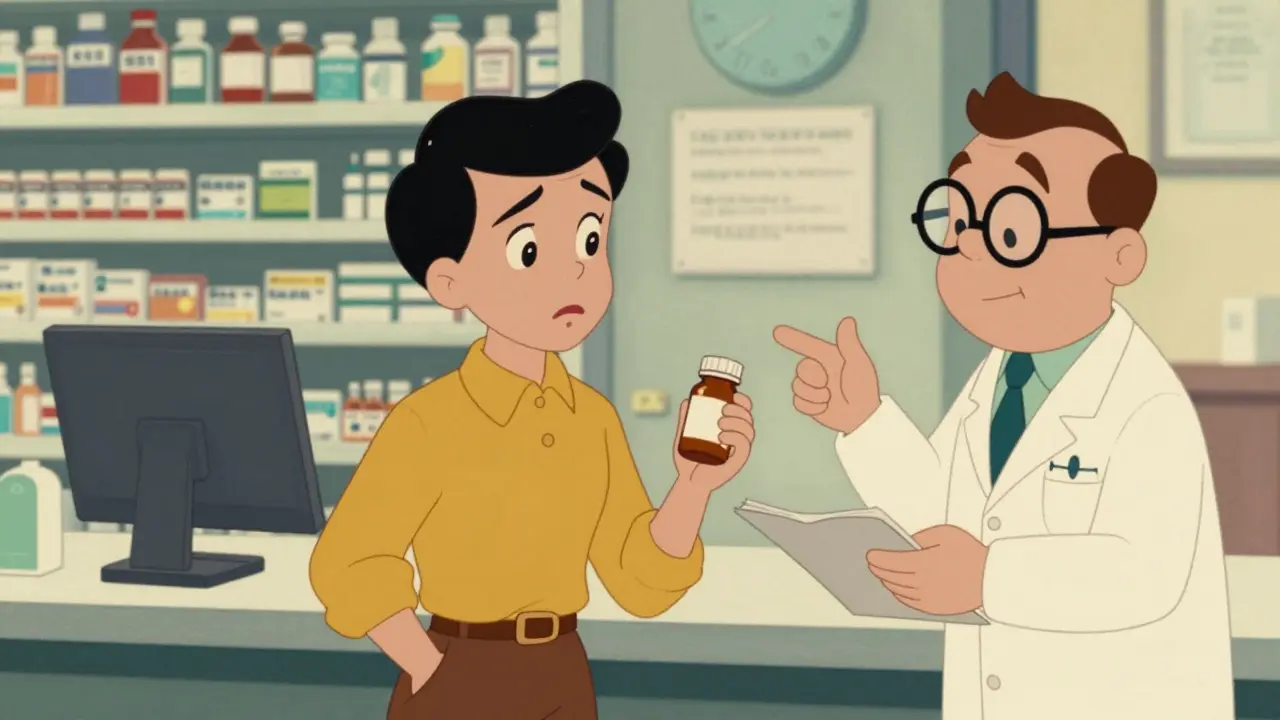
When your doctor says it’s time to switch from your brand-name medication to a generic, you might feel uneasy. What if it doesn’t work the same? What if you start feeling different? These fears aren’t irrational-especially when you’ve been on the same pill for years. But there’s a type of generic that’s practically identical to the brand-name version: the authorized generic. Unlike regular generics, which are made by different companies and can have different fillers or coatings, authorized generics come from the same manufacturer, in the same factory, with the exact same ingredients. And for many patients, that makes all the difference.
What Exactly Is an Authorized Generic?
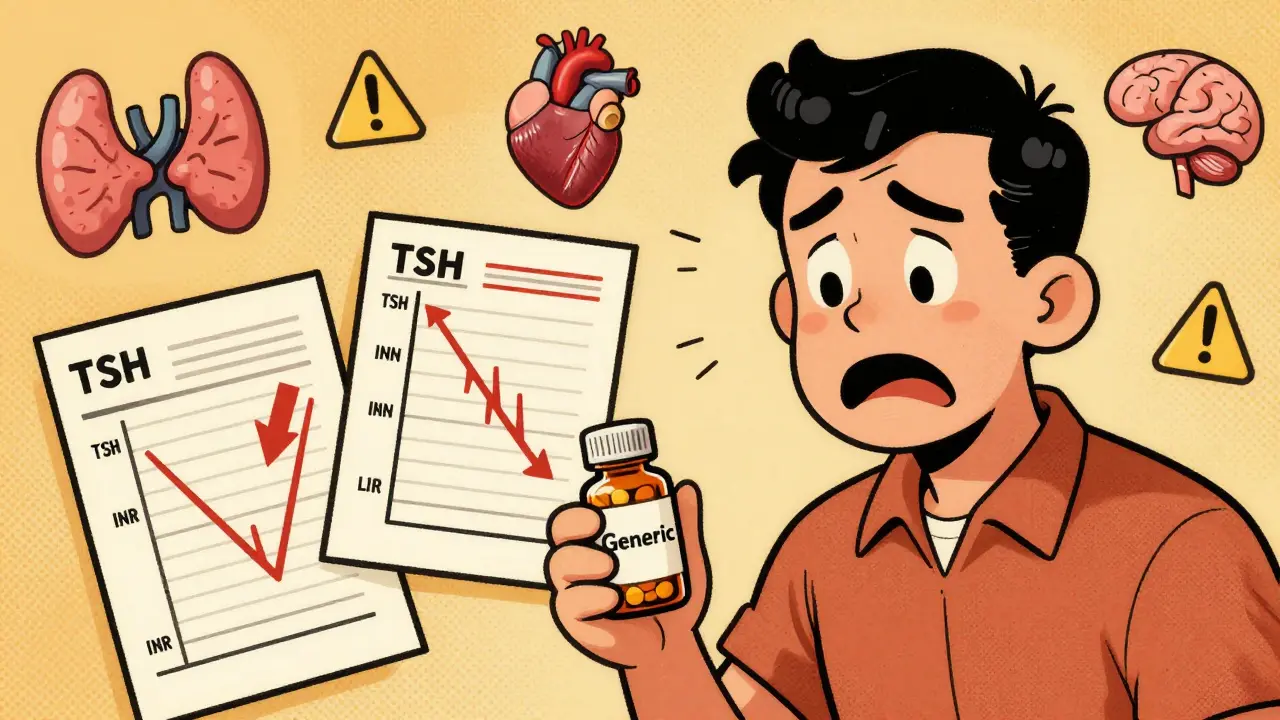
An authorized generic is not a copy. It’s the same drug, just sold without the brand name on the bottle. The FDA defines it as a product that’s manufactured under the original brand’s New Drug Application (NDA), meaning it’s produced by the same company that makes the brand-name version-or by a licensed partner using the same formula, same equipment, same batch process. You’re getting the exact same tablet or capsule, down to the inactive ingredients like dyes, lactose, or preservatives. The only difference? The label says "generic" instead of "Lipitor" or "Synthroid." This isn’t just marketing. It’s a regulatory distinction. Regular generics must prove they’re bioequivalent-meaning they work the same way in the body-but they can use different fillers. Authorized generics don’t need to prove bioequivalence because they’re made from the same batch as the brand. That’s why they’re often recommended for drugs with a narrow therapeutic index, like warfarin, levothyroxine, or epilepsy medications, where even tiny changes in absorption can lead to serious side effects or treatment failure.Why Authorized Generics Reduce Switchbacks
Patients switching from brand to regular generic often report feeling “off.” Some say their blood pressure fluctuates. Others notice new rashes, headaches, or GI issues. In many cases, it’s not the active ingredient-it’s the fillers. A 2023 GoodRx study found that 12.7% of patients had adverse reactions to inactive ingredients in regular generics, compared to just 2.3% with authorized generics. That’s more than five times fewer reactions. The numbers back this up. A 2021 study in the Journal of Clinical Pharmacy and Therapeutics showed that 18.4% of patients switched back to their brand-name drug after trying a regular generic. For those who switched to an authorized generic? Only 7.2% went back. That’s a 61% drop in switchbacks. For patients with asthma, the Asthma and Allergy Foundation of America found discontinuation rates dropped by 42% when they moved to an authorized generic instead of a regular one. One patient on Reddit shared: "I switched to the authorized generic of my blood thinner and haven’t had the bruising issues I experienced with the regular generic." That’s not anecdotal noise-it’s a pattern. When the formulation doesn’t change, the body doesn’t have to relearn how to respond.Cost Savings Are Real-But Not Always Clear
Authorized generics typically cost 4-8% less at the retail level and 7-14% less wholesale than the brand-name version, according to the FTC. That sounds great-until you check your copay. Here’s the catch: insurance plans don’t always treat authorized generics the same as regular generics. In 28% of commercial insurance plans, authorized generics are placed on Tier 3 (specialty tier), while regular generics sit on Tier 2. That means you could pay $45 more a month for the exact same pill just because it’s labeled differently. One patient on r/insurance wrote: "My insurance covered the brand but not the authorized generic version, costing me $45 more monthly despite identical medication." Before switching, always call your pharmacy or insurer. Ask: "Is the authorized generic covered at the same copay as the regular generic?" Don’t assume. A quick 2-minute call can save you hundreds a year.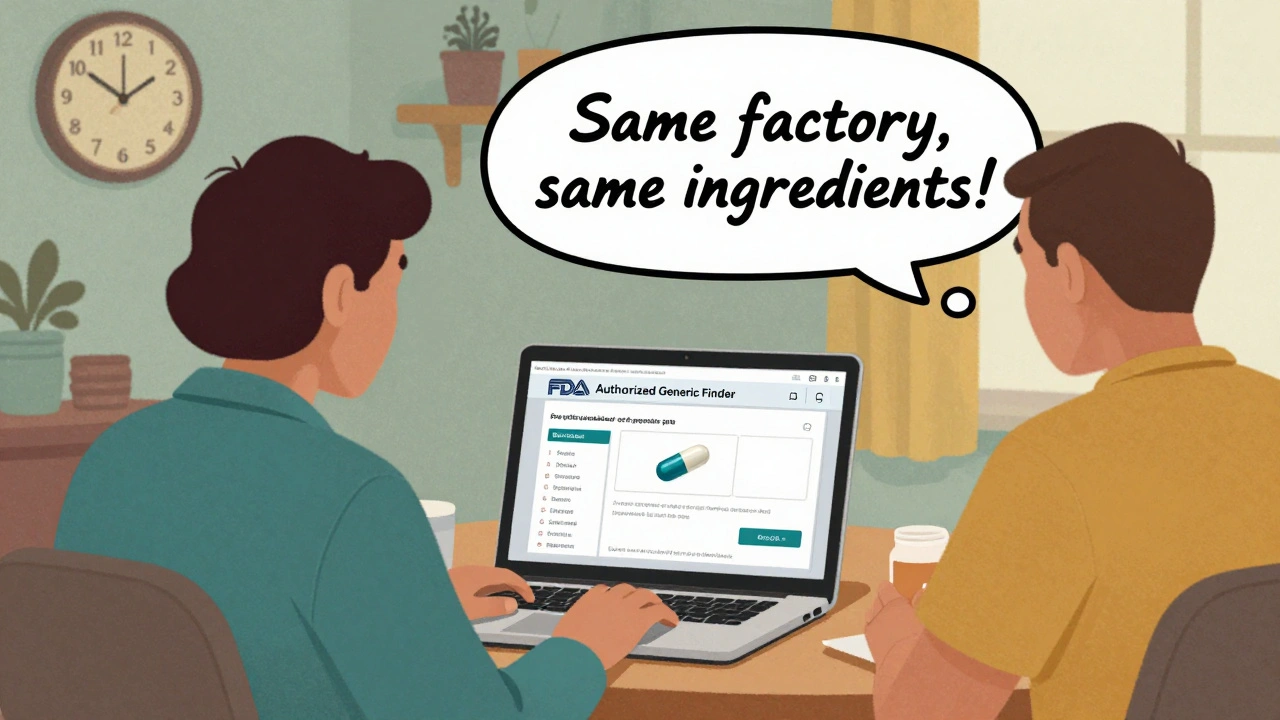
Availability Is Still a Hurdle
Only about 37.5% of brand-name drugs with generic versions also have an authorized generic option, according to FDA Orange Book data from Q3 2023. That means for most medications, you don’t even have the choice. The good news? Authorized generics are becoming more common. In 2022, 58% of top-selling brand drugs launched an authorized generic within 30 days of patent expiration. The FTC’s CREATES Act has also made it harder for brand companies to block generic entry by withholding samples. Use the FDA’s free Authorized Generic Finder tool inside Drugs@FDA. It shows real-time availability. If your drug isn’t listed, ask your pharmacist to check with the manufacturer directly-sometimes they offer it without advertising it.How to Manage the Transition Smoothly
Switching doesn’t have to be stressful. Here’s a simple five-step process that works:- Confirm availability. Check the FDA’s Authorized Generic Finder or ask your pharmacist if an authorized generic exists for your medication.
- Check your insurance. Call your plan and ask about copay tiers for both the authorized and regular generic. Don’t trust the website-call.
- Explain it to your patient. Use simple language: "This is the exact same pill, just without the brand name. Same company, same factory, same ingredients."
- Coordinate with your prescriber and pharmacist. Make sure the prescription is written correctly. Some EHR systems still don’t distinguish between authorized and regular generics, which can cause confusion during handoffs.
- Follow up. Schedule a check-in at 14 and 30 days. Especially for high-risk meds like anticoagulants, thyroid drugs, or seizure medications, watch for changes in symptoms, lab values, or side effects.
What Patients Are Saying
On GoodRx, 73% of patients who switched to authorized generics reported satisfaction, compared to 58% for regular generics. Common praises: "No more stomach upset," "My energy is back," "I didn’t have to adjust my dose." But frustrations are real too. Nearly 70% of negative reviews on Drugs.com mention confusion over availability or insurance coverage. And 41% of patients in a 2022 National Consumers League survey didn’t even know authorized generics existed. Education is the missing link. Many patients think "generic = cheaper, maybe different." They don’t realize some generics are clones of the brand. Pharmacies and clinics need to make this clear upfront-not just at refill time.What’s Changing in 2025
The FDA is requiring clearer labeling on authorized generics by 2025, so patients and providers won’t have to guess. Medicare Part D now mandates that authorized generics be covered at the same or lower cost than the brand-name drug-helping over a million seniors. And new research is underway. The NIH-funded TRANSITION study is tracking 5,000 patients across 12 drug classes to measure real-world outcomes. Results are due late 2024. Early data suggests authorized generics may reduce hospitalizations for chronic disease patients by up to 18%.Final Thought: It’s Not About Cheaper-It’s About Consistent
The goal of medication therapy isn’t just to save money. It’s to keep people healthy, stable, and out of the ER. Authorized generics offer a rare win-win: lower cost without compromise. For patients on long-term, high-risk meds, they’re not just an option-they’re the best option. If your doctor suggests switching, ask: "Is there an authorized generic?" If your pharmacist offers a regular generic without mentioning it, ask again. You deserve the same medicine you’ve always trusted-just at a price you can afford.Are authorized generics the same as brand-name drugs?
Yes. Authorized generics are manufactured by the same company that makes the brand-name drug, using the exact same active and inactive ingredients, in the same facility. The only difference is the label-they’re sold without the brand name. The FDA considers them therapeutically identical.
Why are authorized generics sometimes more expensive than regular generics?
Insurance plans sometimes place authorized generics on a higher cost tier (Tier 3) because they’re perceived as "closer to brand"-even though they’re chemically identical. Regular generics often get placed on Tier 2 for lower copays. Always check your plan’s formulary before switching.
Can I trust an authorized generic if I have allergies to fillers?
Yes. Because authorized generics use the exact same inactive ingredients as the brand-name version, they’re safer for patients sensitive to fillers like lactose, dyes, or preservatives. If you reacted to a regular generic, switching to the authorized version often resolves the issue.
How do I find out if my drug has an authorized generic?
Use the FDA’s free Authorized Generic Finder tool on Drugs@FDA. You can also ask your pharmacist or check the manufacturer’s website. About 37% of brand-name drugs with generics also have an authorized version.
Are authorized generics available for all medications?
No. Only about 37.5% of brand-name drugs with generic versions also have an authorized generic. Availability depends on the manufacturer’s decision to launch one, often tied to patent expiration timing. Always verify before assuming it’s an option.
Do authorized generics work the same for narrow therapeutic index drugs?
Yes-this is where they shine. For drugs like warfarin, levothyroxine, or phenytoin, where small changes in blood levels can be dangerous, authorized generics are preferred because they eliminate formulation variability. Studies show a 28% lower risk of therapeutic failure compared to regular generics.
Max Manoles
Authorized generics are the only way to go if you're on a narrow-therapeutic-index drug. I've been on warfarin for eight years, and when I switched from the brand to a regular generic, my INR went haywire for three weeks-no joke, I had to go to the ER twice. Switched to the authorized version, and within five days, my numbers stabilized. Same pill. Same factory. Same everything. Why do insurers make this so complicated?
Clare Fox
i swear i didnt even know these existed until last month. my doc said switch to generic and i was like ‘ok’ and got the regular one and my stomach was in revolt for two weeks. then i asked my pharmacist ‘wait, is there another kind?’ and she was like ‘oh yeah, the authorized one’ and i was like… why is this not common knowledge??
Akash Takyar
It is truly commendable that this article highlights the critical distinction between authorized generics and conventional generics. Many patients are unaware that the formulation remains identical, and this lack of awareness leads to unnecessary discontinuation and clinical instability. The data presented is robust, and I encourage all healthcare providers to proactively educate patients on this option. A simple, clear explanation can prevent significant morbidity.
Arjun Deva
Yeah right. Big Pharma is just letting you switch to the ‘same pill’? Lol. They’re still making a profit, just without the fancy label. They’re not your friend. And why is the FDA letting them do this? Probably because they’re in bed with the same companies. You think this is about patient care? Nah. It’s about controlling the market under a new name. Don’t be fooled.
Karen Mitchell
Anyone who switches to a generic without consulting their physician first is endangering their health. This isn’t a grocery store product. It’s a pharmaceutical. And if you’re going to be this casual about medication changes, you deserve the side effects you get.
olive ashley
So let me get this straight-some generics are ‘authorized’ and therefore better, but insurance won’t cover them at the same rate? So we’re paying more for the exact same thing? And the system calls this ‘efficiency’? This isn’t healthcare. It’s a rigged game. And you people are still acting surprised?
joanne humphreys
I switched my mom to the authorized generic for her levothyroxine last year after she had constant fatigue and brain fog. Within two weeks, she said she felt like herself again. We didn’t know this option existed until her pharmacist mentioned it. I wish more people knew about this-it’s not just about cost, it’s about stability. Thank you for writing this.
Priya Ranjan
You think this is the solution? You’re naive. The real problem is that the FDA allows any company to make generics at all. The brand-name manufacturers should have exclusive rights for life. Why should some factory in India or China be allowed to replicate our medicines? This is why Americans are getting sicker. The authorized generic is just a band-aid on a bullet wound.
Gwyneth Agnes
Same pill. Different label. Ask your pharmacist.
Katie O'Connell
The notion that an authorized generic is ‘identical’ to its branded counterpart is a convenient fiction perpetuated by regulatory capture. While the active ingredient may be the same, the manufacturing environment, quality control protocols, and batch-to-batch consistency are not subject to the same rigorous oversight as the original NDA product. To equate them is to misunderstand the foundational principles of pharmaceutical science.
Inna Borovik
Let’s be real-this whole ‘authorized generic’ thing is just a PR stunt. The brand company still owns the patent, still controls the supply, and still gets the bulk of the profit. The only person who wins here is the middleman-the pharmacy benefit manager. Patients? We’re just pawns in a game where the rules keep changing. And now they want us to be grateful for being given the same pill in a cheaper box?
Rashmi Gupta
Why does everyone act like this is some groundbreaking revelation? My grandma’s been on the authorized version of her blood pressure med since 2015. She doesn’t even know what a brand name is. People are overcomplicating this. If it’s the same pill, use it. End of story.
Andrew Frazier
Why are we even talking about this? In America, we don’t need generics. We have the best medicine in the world. If you can’t afford your brand-name drug, maybe you shouldn’t be taking it. This whole ‘authorized generic’ thing is just a socialist workaround for people who don’t want to pay for quality.