Archive: 2026/01 - Page 2
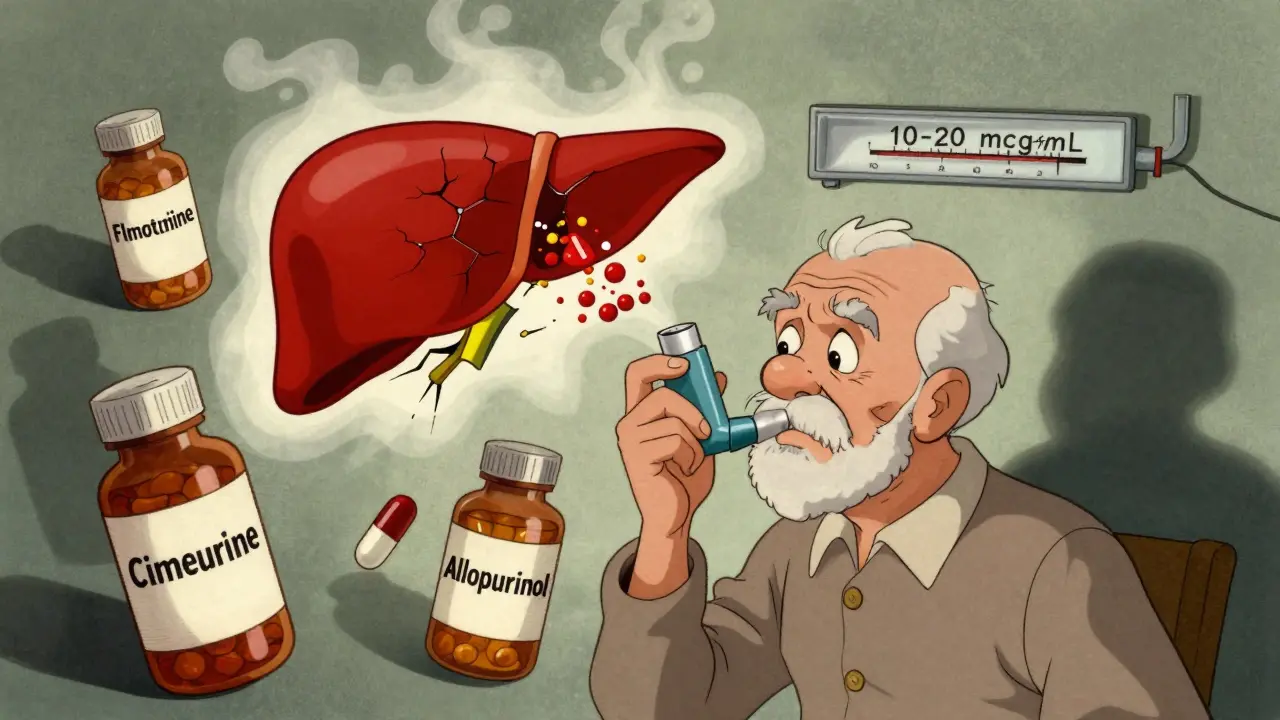
Theophylline Clearance: How Common Medications Can Trigger Toxicity
Theophylline has a narrow therapeutic range, and common medications like cimetidine, fluvoxamine, and allopurinol can dangerously reduce its clearance, leading to life-threatening toxicity. Learn which drugs to avoid and how to stay safe.

Brown Bag Medication Review Events: How to Prepare for a Safe and Effective Checkup
A brown bag medication review is a simple, proven way to prevent dangerous drug interactions and reduce unnecessary medications - especially for seniors taking multiple pills. Learn how to prepare, what to bring, and why this step could save your life.
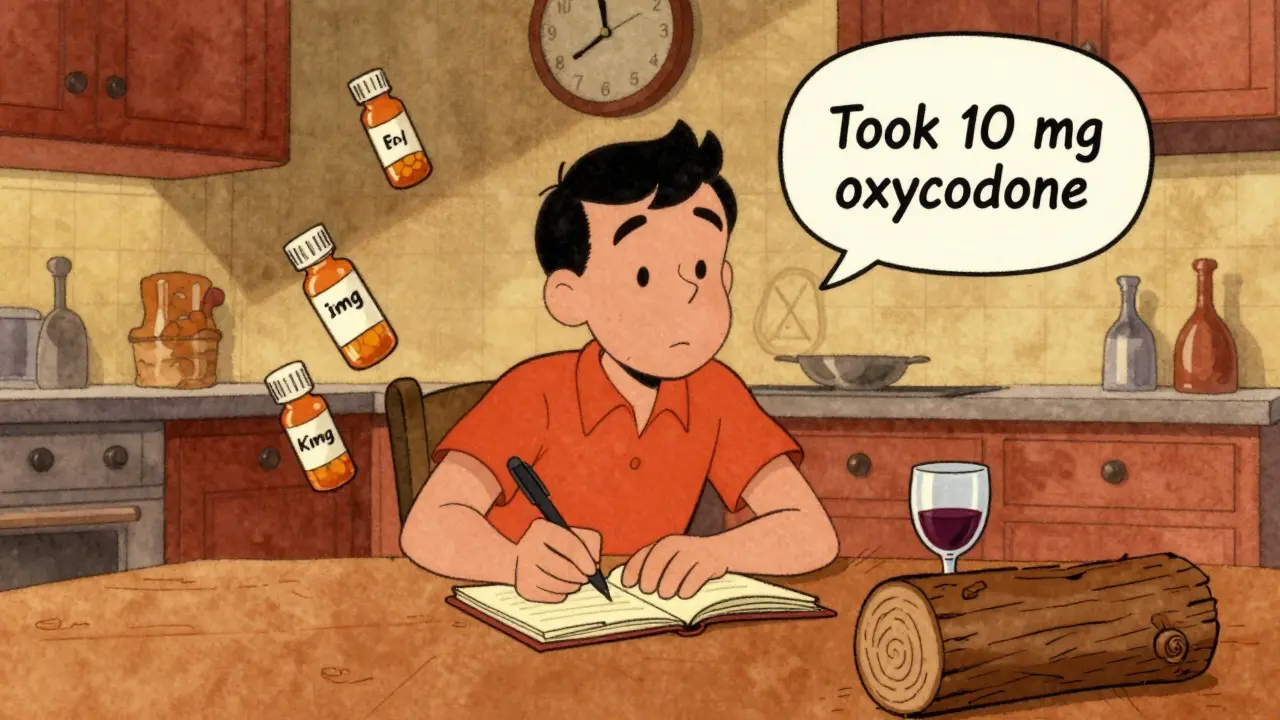
How to Use a Medication Log to Prevent Overdose Errors
A medication log helps prevent overdose by tracking what, when, and how much you take. Learn how to use a simple log to avoid dangerous mix-ups, double-dosing, and hidden drugs like fentanyl.
Autoimmune Encephalitis: Red Flags, Antibodies, and Treatment
Autoimmune encephalitis is a rare but treatable brain condition triggered by antibodies attacking nerve cells. Early signs include seizures, memory loss, and behavioral changes. Prompt treatment with steroids, immunoglobulins, or tumor removal can lead to full recovery.
Polypharmacy and Side Effects: How Taking Too Many Medications Raises Your Risk
Taking five or more medications increases the risk of falls, hospitalizations, and death. Learn how polypharmacy harms older adults, why deprescribing works, and what you can do to stay safe.
Presbyopia: Understanding Age-Related Focus Loss and How Reading Glasses Help
Presbyopia is the natural aging of the eye that makes reading and close work harder after 40. Reading glasses, progressives, contacts, and surgery can help. Learn how it works and what options really work.
GERD Management: Diet, Lifestyle, and Acid Reflux Medications
Manage GERD effectively with diet changes, lifestyle adjustments, and the right medications. Learn what works, what doesn’t, and how to choose the best path for long-term relief.
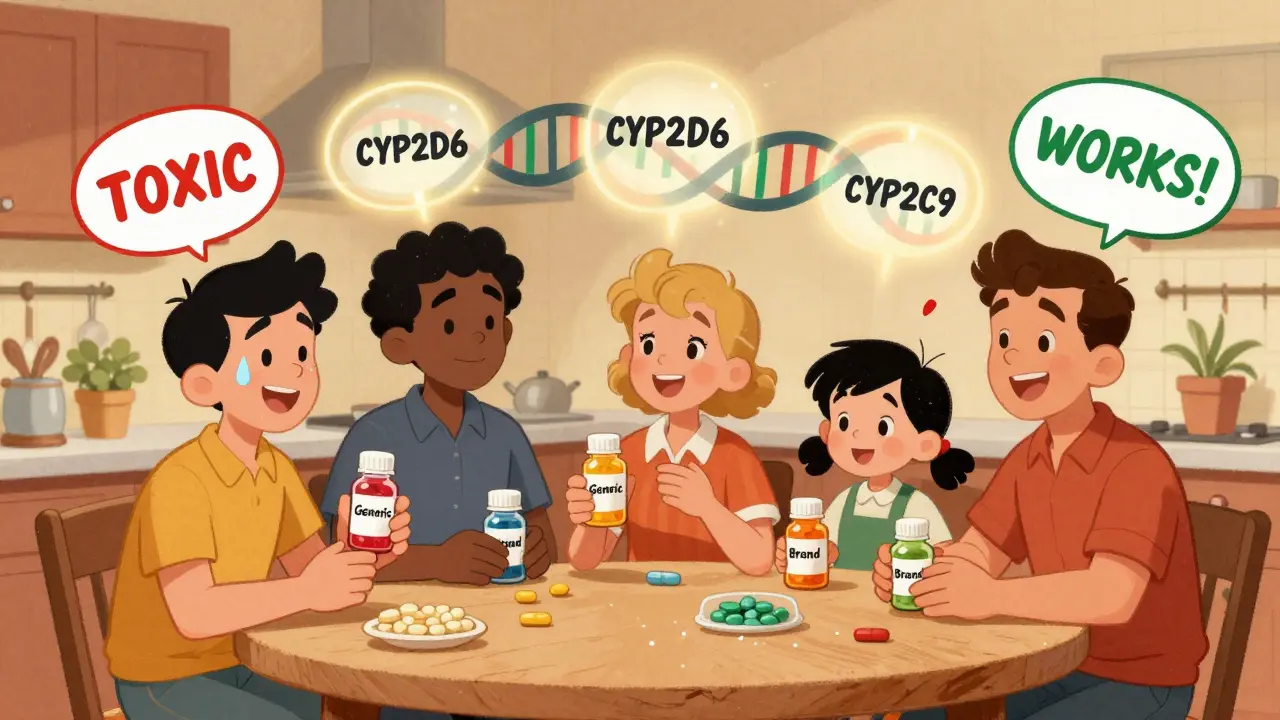
How Family History and Genetics Affect Your Response to Generic Drugs
Family history and genetics play a major role in how your body responds to generic drugs. Learn how inherited gene variants affect drug metabolism, why some people have bad reactions, and what steps you can take to avoid dangerous side effects.
Safe Use of Topical Medications and Creams in Children: A Practical Guide for Parents
Learn how to safely use topical creams and medications on children, avoid dangerous ingredients like benzocaine and strong steroids, and use the right dosing methods to prevent serious side effects.
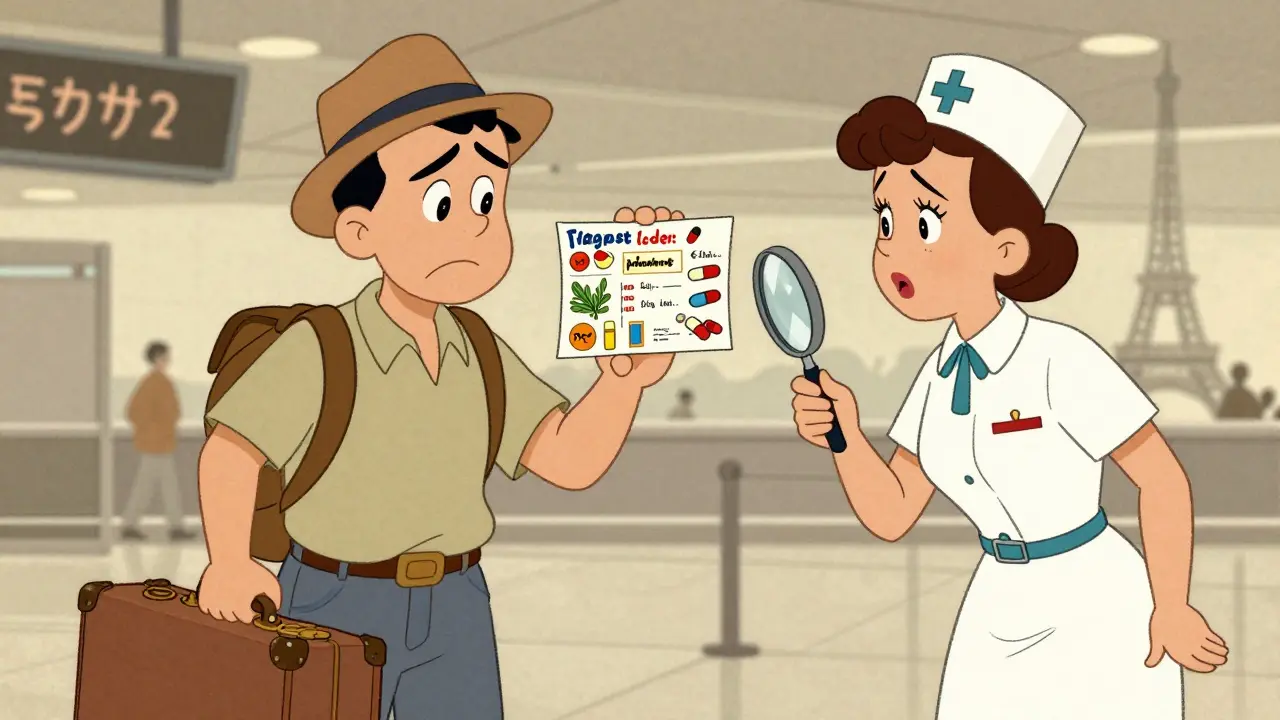
How to Keep a Medication List in Multiple Languages for Emergencies
A multilingual medication list can save your life during a medical emergency abroad. Learn how to create, translate, and carry a clear, accurate list in multiple languages for travel emergencies.
Popular posts